
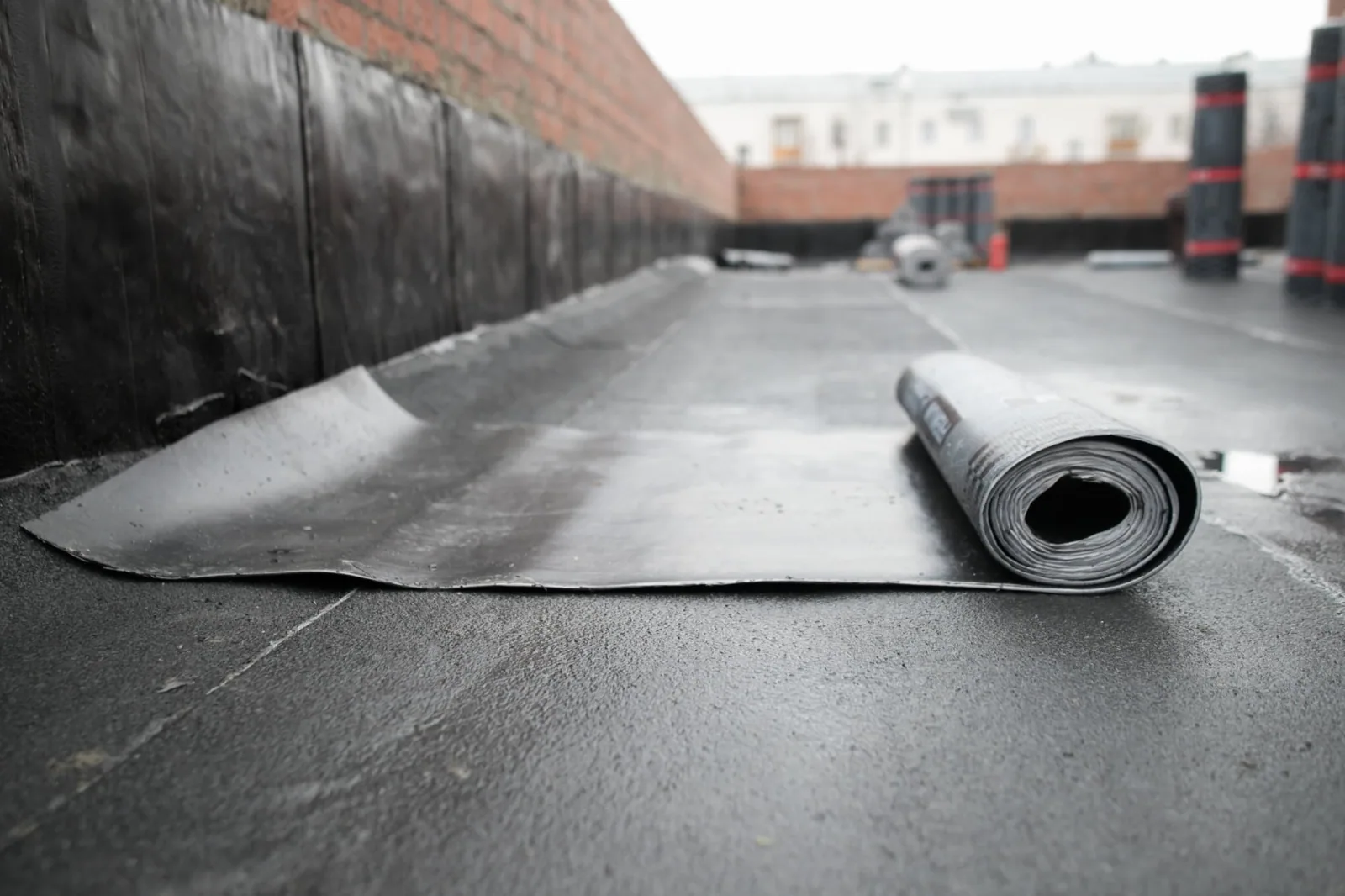
EPDM Roofing Systems for Commercial Buildings in San Mateo, CA
CATEGORY
Roof Systems
LOCATION
San Mateo, CA
The EPDM sheet on a low-slope roof may be fully adhered, mechanically attached, or ballasted, and that difference governs how a repair is approached. We check the membrane edge, field seams, penetrations, ballast or plates, and the underlying assembly before selecting a detail. San Mateo is preparing a subregional shoreline adaptation plan that evaluates shoreline conditions, land use, infrastructure, and coastal-flood vulnerability. That planning context matters to property risk discussions, but it does not diagnose an individual roof. A commercial property in the shoreline area still needs a site-specific roof inspection and documented scope.
System identification: confirm how the existing sheet is held
Look for attachment plates, adhesive lines at accessible edges, ballast, perimeter restraint, and manufacturer labels in prior records. An EPDM surface may have been repaired or coated since installation, so color and appearance are not enough to establish the original system. We mark the roof zones and note what was visible. If a test cut is needed to confirm layers or moisture, the report states the location, method, and limits before any opening is made.
The city's code summary identifies wind exposure under CBC 1609.4 and a seismic design category under CBC 1613.1. Those are design references for project review, not field verification of the existing attachment. The design professional determines the requirements for a replacement assembly. A broader roof inspection can document the membrane, drains, curbs, and perimeter before a repair or recover option is priced.
Seams and repairs: inspect field seams and repair patches
EPDM seams rely on prepared surfaces and compatible tape or adhesive at the lap. We look for open edges, fishmouths, wrinkles, patch corners, contamination, and previous repairs that could affect a new tie-in. A local seam defect may call for a bounded repair; widespread shrinkage or brittle material changes the discussion. The field report should show the observed condition and separate it from the assumed cause of an interior leak.
Water can move beneath a membrane before it appears at the ceiling. We compare the stain location with the roof area, seam direction, drain path, and nearby penetrations. The leak-repair assessment should identify the diagnostic boundary and any area that could not be accessed. If storm timing is reported, a storm-condition review documents dated observations without claiming causation from a roof photograph alone.
Substrate: review insulation, deck, and moisture evidence
A repair has to bond to a surface that is clean, dry, and compatible. We note soft areas, displaced insulation, open cover-board joints, exposed deck, corrosion where visible, and any prior coating that may affect adhesion. Infrared or capacitance readings can help target test areas, but patterns have limits and should not be represented as proof by themselves. The report separates readings from confirmed wet material and identifies where a core or selective opening would change the work quantity.
A test cut should be restored under the approved detail and recorded in the roof log. The report identifies the method and limits so a future inspection can distinguish tested locations from areas that remained concealed. The insulation and cover-board scope can define removal boundaries when testing identifies moisture or substrate failure.
Drainage: trace water beyond the membrane surface
Inspect drains, scuppers, overflow openings, crickets, and any low area where water remains after a weather event. Standing water can reflect slope, deflection, blockage, or a drain condition, and a single walk cannot identify which without further review. We record the observed depth and location when safely accessible, then compare it with roof plans and the outlet configuration. Do not price drain replacement solely from a stain or pond mark.
The Mariner's Island Specific Plan describes retail, office, and residential uses between Marina Lagoon and Foster City. That district description provides land-use context, not a finding about drainage on a particular roof. For a particular outlet, the drain and scupper review checks the roof-side flow path and visible details. The project's civil or drainage professional remains responsible for site-level flood design and discharge decisions.
Replacement sequence: choose repair, recover, or removal by condition
A recover discussion begins with the existing sheet's bond, total layer count, core results, and available curb or perimeter height. If the attachment or substrate cannot support the proposed build-up, a recover may not fit the project criteria. Widespread seam failure or confirmed wet insulation can shift the decision toward removal. Compare each option on the same measured area and state which test result would change the recommendation.
San Mateo's adopted Title 24 building standards cycle took effect January 1, 2026. The design professional and building official determine which provisions govern a project. A roof contractor can document existing conditions and sequence the work but should not claim that an assembly choice satisfies code without the required design review. Compare a TPO system or PVC option only when the approved documents allow an alternative.
Cost drivers: set the price around access and repair limits
EPDM repair costs change with membrane thickness, seam type, substrate preparation, edge access, penetration count, removal quantity, and the amount of dry-in protection. A unit price is useful when its area, material, prep, and acceptance method are explicit. Identify whether the estimate includes test cuts, wet-insulation removal, deck work, ballast handling, temporary protection, or interior protection. Concealed conditions should trigger a documented approval step rather than an open-ended assumption.
A capital estimate should state its delivery assumptions, roof access route, staging limits, and shift window. District geography alone does not establish logistics for an individual property. Confirm delivery route, staging, roof access, and tenant limits with the GC. A capital comparison should hold the area and scope constant when weighing a repair against replacement.
Maintenance: maintain seams with dated condition records
After a repair, revisit seam edges, patched corners, perimeter terminations, drain details, and areas where other trades have worked. Record roof zone, date, and photo reference. New conduit or equipment can cut through a membrane and should have an approved detail before installation. If a coating is proposed over EPDM, verify the product, preparation, adhesion, and system limits with the manufacturer and project design. Do not assume a coating will solve a wet substrate or failed attachment.
The shoreline planning effort looks at infrastructure and vulnerability over a broad area. Individual owners still need roof-specific observations to decide maintenance priorities. A Mariner's Island service-area page describes a city planning district, not a named property or its condition. Keep each building's roof map, prior repairs, test limits, and warranty documents together. Record who approved each opening, whether the area was restored the same shift, and any follow-up inspection date. If records are incomplete, label the gap instead of treating an undocumented area as verified. The condition report can help the next GC understand what was observed and what remained unknown. The facility contact should know which hatch and access route were used, whether equipment had to be isolated, and who can authorize a future test opening. That prevents a restricted or uninspected zone from being treated as cleared.
Commercial Roofing Questions
Can a patch repair any EPDM membrane?
No. Surface preparation, existing repair materials, seam type, age, and substrate condition affect compatibility. The scope should identify the tested location and method.
Does infrared confirm wet insulation under EPDM?
It can identify thermal patterns for further investigation, but patterns may have other causes. Confirm areas with a suitable method and state the test limits.
When should removal be priced against a recover?
Compare layer count, moisture, attachment, deck, edge height, and system compatibility. If concealed conditions could change the choice, define a test area and approval hold.
Can regional shoreline planning determine roof flood risk?
No. It is broad city planning context. Parcel elevations, drainage, roof details, and site engineering require project-specific review.
Document the EPDM field condition
Share roof plans, repair history, access limits, and any prior test results. We can map visible conditions and define repair or replacement boundaries with the GC.