
Local weather advisory
Coastal Flood Advisory: Commercial Roof Help in San Mateo
The National Weather Service has issued a coastal flood advisory covering San Mateo. Heavy rain and drainage loading can expose roof leaks, blocked drains, and ponding water. This is a weather exposure advisory; it does not establish damage to a specific roof.
Do not access a roof during hazardous weather. Protect people first, avoid water near electrical equipment, and request roofing help when conditions permit.
National Weather Service · Updated Oct 28, 2026, 7:20 AM UTC
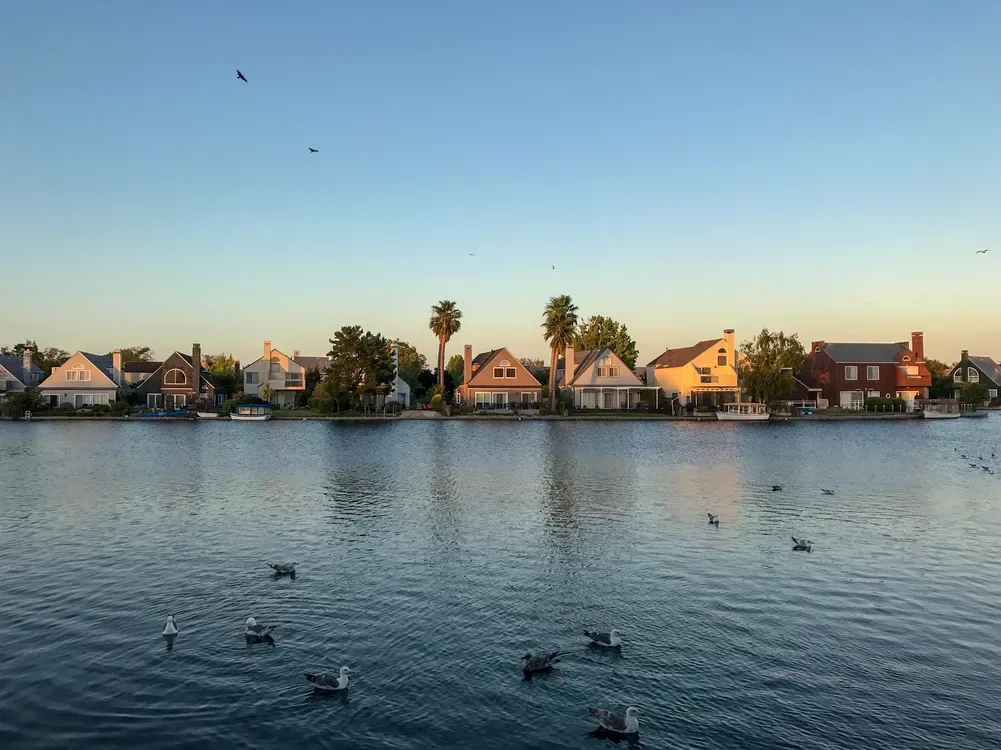
Commercial Roofing in Foster City, CA
CATEGORY
Service Areas
LOCATION
San Mateo, CA
Retail access is part of the roof sequence, not a separate logistics note. In Foster City, confirm the delivery path, staging area, and roof access with the property contact before setting a work window. Town Center Commercial is a city-designated central commercial area, but it does not describe any specific building's operation or roof assembly. We inspect the membrane, drains, curbs, and transitions, then set the repair boundary and protection plan around the actual property. Roofing coverage also includes commercial activity in San Mateo downtown and commercial buildings in Brisbane. Keep each work order tied to the roof map and approval contact for its own address.
Field condition: access before tear-off
A membrane repair can be compact while its access footprint is not. Before material is staged, have the Foster City site contact confirm the gate, loading route, and any shared access that the crew must preserve. A nearby municipality with its own property conditions is. We walk the path from delivery point to roof, note occupied entrances and active loading areas, and separate the material route from public circulation. Foster City’s maps for commercial-center access are useful planning context, but the field walk confirms the actual gate, clearance, and work hours for the property. If a lift or rooftop staging area is needed, the GC can settle that coordination before the crew blocks a route. We also mark where temporary protection will sit and how water will be kept out if removal reveals a larger wet area. These choices influence labor, dry-in timing, and tenant notices. Bring the available site plan and access rules to the inspection, then compare them with the roof’s real condition before setting a start date.
Scope boundary: drainage and the water path
A stain inside a retail suite can be several feet from the roof entry point. During a Foster City roof visit, capture Foster City membrane inspection notes before pricing. The roof record should capture before pricing. The inspection traces the likely water path across laps, penetrations, curbs, and drains instead of treating the visible ceiling mark as the work boundary. We check for open seams, displaced flashing, punctures, and areas where water can collect. San Mateo’s adopted code summary requires roof drains to be designed around a minimum rainfall rate; that criterion applies to the named market, so a Foster City project needs its own applicable jurisdictional review rather than an assumed San Mateo code check. In every location, clean drainage and sound overflow provisions matter to the repair decision. Photographs and notes distinguish confirmed defects from concealed conditions. That record helps the owner decide whether a targeted repair, broader restoration, or replacement investigation deserves the next dollar and the next access window.
System detail: keep the occupied floor protected
The roof is only one side of an active commercial property. Before a Foster City replacement bid, set Foster City replacement sequencing with the owner and GC. The owner can compare repair work against with a localized repair. Before a repair starts, the crew and manager agree on interior protection below the work, a notification path, and who can approve a temporary dry-in if conditions change. Retail operations may have deliveries, customer access, and equipment schedules that cannot be shifted at short notice. We phase removals so exposed areas can be closed the same shift where practical, and we identify tie-ins that need special inspection before the next material covers them. An existing assembly can accept a local patch only if its surface, seams, and substrate provide a dependable bond. If moisture extends past the visible defect, the work limit must respond to the field condition. A clear daily handoff prevents a small opening from becoming an unplanned interruption indoors.
Sequencing: choose repair, recover, or replace
A decision should follow the roof evidence. On a Foster City membrane scope, evaluate TPO assembly selection for Foster City against the existing assembly. Material compatibility informs. A repair is reasonable when the defect is bounded, surrounding material is stable, and water can be directed through intact drains. Recovery can preserve removal time, but only after the existing assembly is checked for moisture, attachment, and acceptable height at edges and penetrations. Replacement becomes more practical when deterioration is widespread, wet insulation is extensive, or repeated repairs would leave too many uncertain tie-ins. We describe the cost drivers in the scope: removal extent, insulation correction, edge metal, curb work, access, protection, and phasing. The same inspection can compare a localized repair with a larger capital plan, but the alternatives need separate quantities and assumptions. For a Foster City retail building, the best sequence is the one that protects the interior, preserves useful roof service, and gives the owner a precise point for reconsidering the work if concealed conditions appear.
Maintenance: close out with a usable record
After the roof is closed, the owner needs more than a statement that work is complete. For a Foster City industrial property, coordinate Foster City warehouse delivery planning before staging. Delivery constraints also affect. We record repaired areas, replaced details, remaining limitations, and maintenance items that should be checked after the next weather cycle. The handoff identifies the membrane type where known, the repair materials used, and the locations of new terminations or drain corrections. Photos help the facility manager compare future observations with the baseline. They also make later service easier because the next crew can see what was touched and where the scope stopped. A scheduled maintenance visit can clear debris, check vulnerable laps, and catch movement around equipment before it becomes interior damage. Share the plans, access rules, and leak history, and we can define a field scope with a realistic sequence for the building's operating needs.
A planning map can also help the manager explain why a delivery route changes from one block to another, but it cannot replace the roof walk. Before bid day, we compare the plan with actual gate widths, overhead clearances, roof hatch position, and any service access that must remain open. The crew notes whether staging can stay in one place or needs to move as work reaches a new zone. That affects how many times materials are handled and how quickly each area can be dried in. For occupied retail, we also identify which ceiling areas need protection before a penetration or drain is opened. The owner can then review a realistic sequence with the GC, including where a stop-work decision may be needed. Keeping those choices in the field record makes the schedule easier to adjust without confusing a temporary protection measure with completed roof work.
Commercial Roofing Questions
Can a leak be repaired without replacing the whole roof?
Often, if the inspection finds a bounded defect and sound surrounding membrane. We verify the seam, flashing, substrate, and drainage before setting a repair limit. Wet or deteriorated material beyond the opening can change that recommendation.
What should the property manager prepare before an inspection?
Share roof access instructions, recent leak locations, tenant constraints, and available roof plans. The walk can then cover safe entry, equipment clearances, drains, and interior protection without losing time to avoidable access delays.
How do crews keep retail operations open during roof work?
We agree on delivery routes, noisy work periods, entrance protection, and daily dry-in points with the site contact. Phasing depends on the roof condition and access, so those constraints belong in the written sequence before mobilization.
What makes a repair expand after the roof is opened?
Concealed wet insulation, a failed substrate, or a termination that cannot accept a sound tie-in may extend removal. The crew documents the condition, secures the opening, and gets approval for a revised limit before continuing.
How often should a commercial roof be checked?
Set inspections around the roof’s condition, maintenance plan, and exposure to debris or equipment work. A documented baseline and follow-up after significant roof activity help the owner track changes and address small defects before interior finishes are affected.
Set the field scope
Share the roof plan, access constraints, and known leak areas. We will review the field condition, define the repair or replacement boundary, and coordinate a workable sequence with the property contact and GC.