
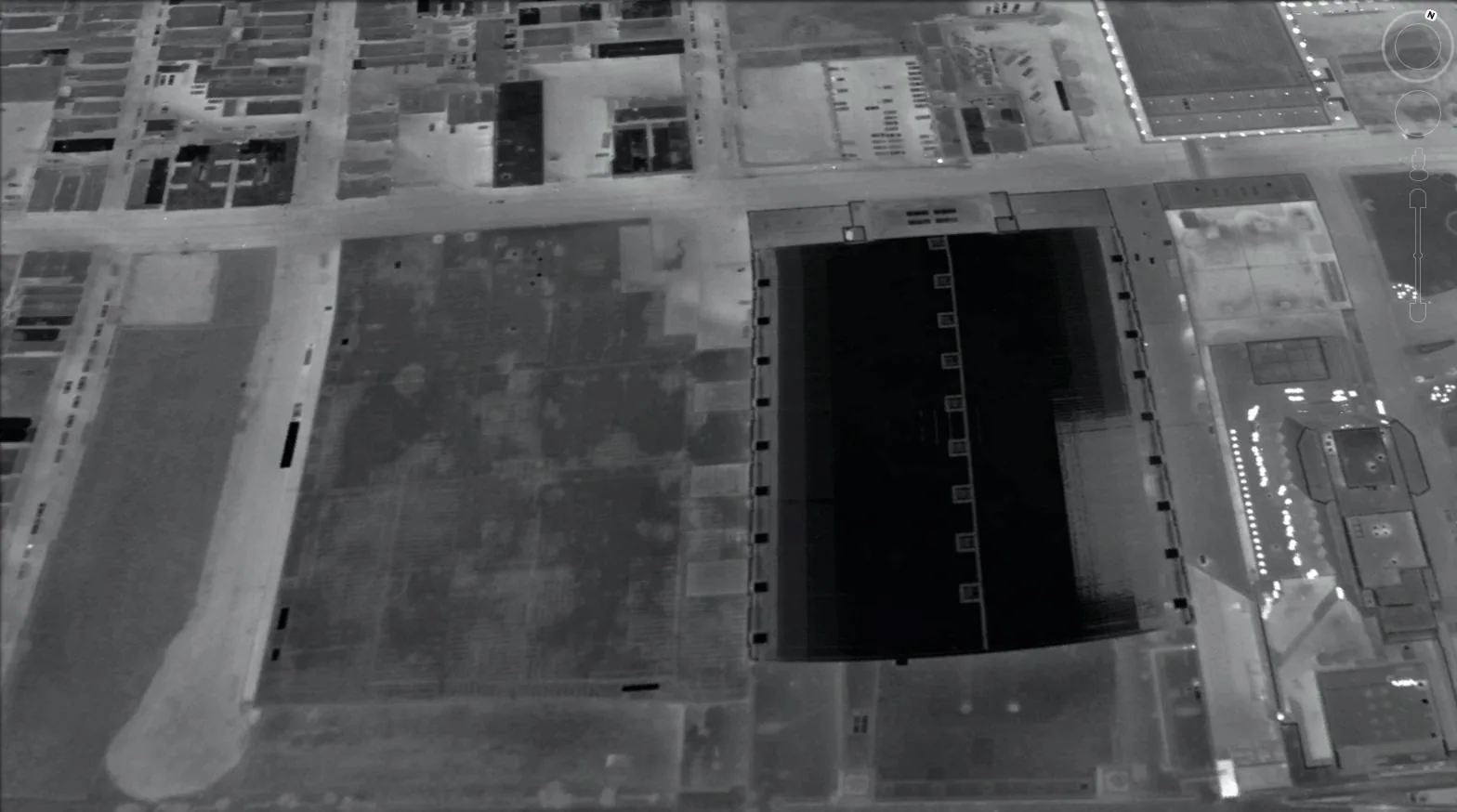
Infrared Moisture Survey in San Mateo, CA
CATEGORY
Commercial Roofing Services
LOCATION
San Mateo, CA
Infrared imaging can help narrow where to investigate, but a temperature pattern is not a moisture diagnosis. In San Mateo, a roof near the Bay, a drain line, or rooftop equipment may show thermal variation for several reasons. We define the survey area, confirm roof construction and recent conditions, and plan test points that can answer a repair or replacement question. The report maps patterns and limitations, then distinguishes them from material confirmed at an approved opening.
Inspection boundary: set a testable objective
Decide what question the survey must answer: where to sample, whether a suspected area extends beyond a visible leak, or whether an assembly merits more investigation. Gather roof plans, system records, patch history, and access notes. Identify membrane type and insulation layers when documentation supports them. The method depends on suitable surface and ambient conditions, so the survey plan should include timing and a reason to reschedule if conditions do not support interpretable data.
San Mateo's shoreline adaptation planning evaluates coastal-flood exposure and infrastructure vulnerability. That regional context can inform a survey question, but it cannot identify moisture within a particular roof. Site conditions and test timing remain decisive. A roof inspection can record the membrane and visible details before imaging, while a shoreline-area property review should still use its own roof history and access.
Before capture, confirm the roof construction and any material changes that could produce different thermal behavior. Insulation type, cover boards, roof color, repairs, shaded equipment, and interior operations can all affect comparison between adjacent areas. The surveyor should note those transitions on the plan so a pattern is not treated as uniform across a mixed assembly. If the site has a history of ponding or a recent repair, add that record and its date to the field file, then interpret the imagery in that context.
Assembly review: check the method conditions
Thermal imaging relies on temperature differences that can be affected by sunlight, cloud cover, wind, recent rain, roof color, insulation, and building operations. The surveyor documents those conditions and any obstructions. A result should not be interpreted if the roof construction or thermal behavior makes the signal ambiguous. State the instrument method and coverage area, but do not let an image imply a certainty it cannot provide.
The survey plan should define the roof sections and whether the inspection is performed from the surface, from the air, or by another accepted method. A drone imagery review can supplement broad visual coverage but is not the same as thermal measurement. If rooftop equipment cycles during the survey, note its operation because heat can affect an image. Repeat the capture only if conditions improve the decision value.
A second reviewer can compare the thermal map with visible-light photographs and the roof plan before sample locations are approved. This helps identify areas where a shadow, curb, or equipment exhaust may explain an anomaly. The owner then chooses representative openings based on the question, not simply the most dramatic color on the screen. Restore every approved test location with a compatible detail and photograph the repair. If sample results differ, retain those differences in the final map and recommend further investigation only where the decision remains unresolved.
Sequence: map patterns without overstating them
Mark each anomalous area on a roof plan with a scale and reference points. Include a matching thermal and visible-light image where available, and note whether the pattern coincides with drains, equipment, seams, repairs, shadows, or changes in assembly. The report should identify patterns for follow-up rather than label them as wet insulation unless material has been confirmed.
San Mateo planning identifies commercial activity in Downtown, Hillsdale, Mariner's Island, and Bay Meadows. Those settings may contain varied roof sections, yet a business district cannot determine what is under a membrane. Each sample needs a specific location and owner approval. A mapped condition report can carry the coordinates into a repair discussion and preserve the difference between a thermal signal and a verified test result.
Field detail: select and restore sample openings
Choose test points that resolve the stated question, avoid unnecessary openings, and represent distinct patterns or roof assemblies. Before coring or cutting, confirm who approves the location, what utilities or structural conditions must be checked, and how the opening will be restored. A sample verifies materials at that point only. If results vary, the team may need additional testing rather than extrapolating a single reading across a large roof.
The closure detail should match the existing roof system and address membrane, insulation, and any cover board removed. Record dimensions, layers, observed moisture, and restoration photographs. If testing finds wet materials, define the limits before pricing removal. A recover eligibility review may need representative test results, while a replacement estimate can use the confirmed zones and keep untested areas separate.
Cost drivers: connect results to a decision
Classify each mapped zone as confirmed, suspected, or unresolved. Explain what evidence supports the label and which next action is warranted. A moisture result may call for a small repair, selective removal, or more testing, depending on the assembly and extent. Keep observation, interpretation, and proposed scope in distinct fields so a project team can compare alternatives without treating a thermal map as a construction drawing.
The two-inch-per-hour roof-drain design rainfall basis sets a local reference point for checking ponding. That is useful context when reviewing ponding, but it does not explain every thermal pattern. Record standing water and outlet conditions separately. A drainage review can assess the visible path, and a repair proposal can address only confirmed details.
Closeout: preserve limits in the final report
Include the survey date, weather and roof conditions, areas covered, instrument or method, image scale, pattern map, access limits, and sample results. List openings restored and zones not reached. State whether findings are indicative or verified, and identify the next decision that depends on them. This makes the report usable by a manager who did not attend the survey and reduces the risk that an image is treated as a warranty conclusion.
Keep each report tied to its building, roof plan, and approved sample locations. A roof history record can preserve later readings for comparison, and a Downtown San Mateo survey remains a property-specific investigation. Share the roof plan, leak history, assembly records, and decision deadline with Commercial Roofing San Mateo. We can define the survey boundary and explain what must be confirmed before a scope is priced.
Hillsdale Station Area, Bay Meadows, and Mariner's Island are distinct San Mateo settings, but the roof assembly at a given property is determined by its own construction and later repairs. A survey should therefore map changes in insulation and membrane instead of assuming one thermal response across the whole building. If the roof plan is old, mark uncertain boundaries in the field. That gives the owner a reasoned sample strategy and prevents an apparent pattern from being treated as a uniform repair quantity.
Commercial Roofing Questions
Does an infrared pattern prove wet insulation?
No. It identifies a thermal difference that may have several causes. An approved opening or suitable test confirms the material at the sampled point.
What conditions can affect the survey?
Sun exposure, wind, recent weather, roof color, insulation, equipment operation, and assembly changes can influence readings. The report records conditions and any limits.
How many core samples are needed?
The number and placement depend on the question, roof sections, and pattern variation. Each sample should be approved, mapped, and restored; one point does not verify a whole roof.
Can the results determine whether to replace a roof?
They can inform a decision when mapped results are combined with inspections, records, attachment, deck, and edge conditions. A thermal map alone is not a replacement specification.
What should accompany the report?
Keep the roof plan, dated imagery, sample locations, layers observed, restoration notes, access limits, and next action together for later maintenance or pricing.
Discuss infrared moisture survey in San Mateo
Share the roof plan, access rules, and current condition with Commercial Roofing San Mateo. We can define the inspection boundary and next field step for infrared moisture survey.