
Local weather advisory
Coastal Flood Advisory: Commercial Roof Help in San Mateo
The National Weather Service has issued a coastal flood advisory covering San Mateo. Heavy rain and drainage loading can expose roof leaks, blocked drains, and ponding water. This is a weather exposure advisory; it does not establish damage to a specific roof.
Do not access a roof during hazardous weather. Protect people first, avoid water near electrical equipment, and request roofing help when conditions permit.
National Weather Service · Updated Oct 28, 2026, 7:20 AM UTC
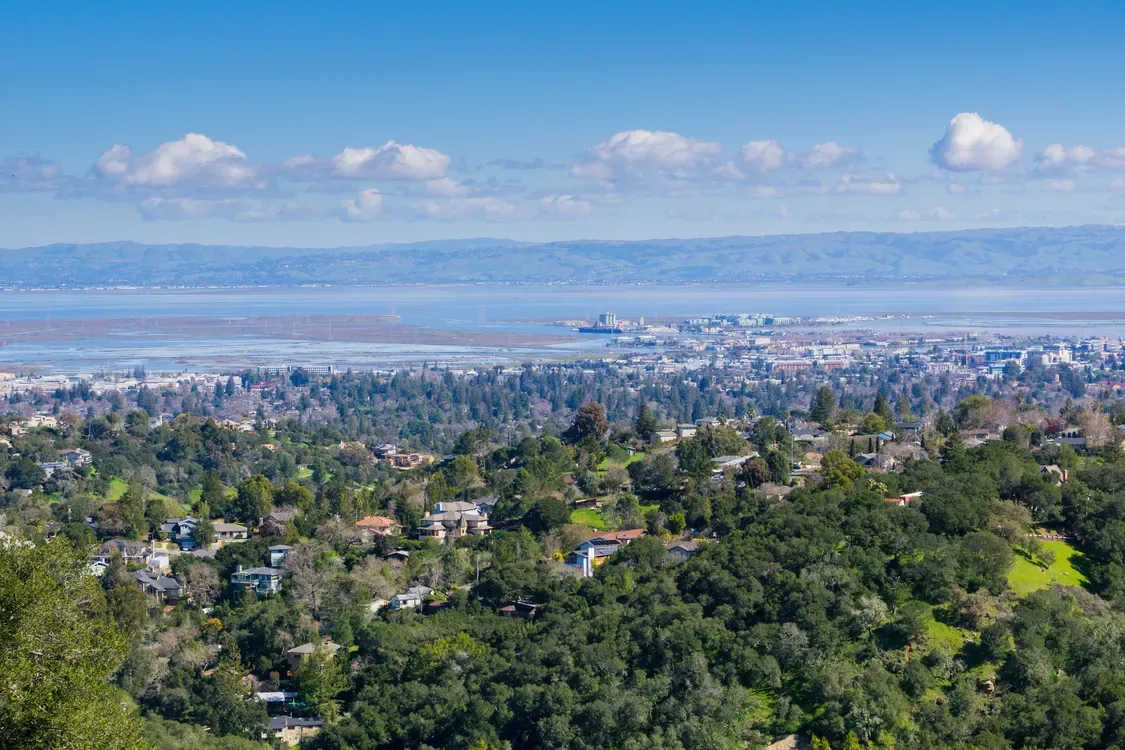
Commercial Roofing in Redwood City, CA
CATEGORY
Service Areas
LOCATION
San Mateo, CA
A roof visit in Redwood City starts with the operating plan below it. Redwood Shores includes life-science, biotechnology, and information-technology businesses, so a facility may have managed equipment routes or access controls that the property contact must confirm. We inspect the roof itself, mark seams, penetrations, drains, and edge details, and separate observed conditions from unknown layers. That record supports a repair or replacement decision without assuming that neighboring buildings share the same assembly.
Field condition: a visit that respects the operation
Redwood City has a broad commercial setting, and Redwood Shores is known for life-science, biotechnology, and traditional IT businesses. That context makes access planning worth an early call, but it does not tell us what a particular facility has on its roof. We confirm the entry point, escort or sign-in requirements, protected routes, and any equipment that cannot be interrupted before the inspection begins. A marked roof plan then shows where a leak report sits relative to curbs, seams, drains, and changes in slope.
Where the roof can be reached without entering sensitive work areas, we separate exterior inspection from interior confirmation. If water appears near a controlled room, the facilities contact can identify the affected zone while the crew traces the roof above it. A commercial roof inspection gives the owner a documented baseline; a focused leak repair scope can follow when the entry path and repair boundary are clear.
Scope boundary: roof clues around Redwood Shores
Redwood Shores' business mix includes life sciences, biotech, and traditional IT. Equipment density and interior controls vary from property to property, so we look for the specific roof penetrations, support bases, and service paths present on the building. A displaced pitch pocket, cracked sealant, open lap, or low-point drain can each move water differently. We photograph the condition, note what was visible, and identify any concealed area that requires owner records or a separate test before a permanent scope is priced.
The city's built-environment planning covers land use, circulation, economic development, and infrastructure. For a roof project, the practical connection is coordination: a delivery route, lift point, or temporary closure should be tied to the actual property. A single district label is not an access approval. When a portfolio also reaches San Carlos, its employment corridors and the Redwood Shores setting should remain separate entries in the asset file. The San Carlos coverage area can be planned as another city stop without assuming identical equipment or roof construction.
Sequencing: repair, recover, or remove
A repair can make sense when the defect is localized and the surrounding membrane, attachment, insulation, and deck remain serviceable. We open only the area needed to verify the condition, then match the repair material to the existing system where it can be confirmed. A recover needs a broader check: existing layers, wet insulation, edge height, drainage, and the tie-in at curbs all affect whether another assembly is appropriate. If the existing roof contains trapped moisture or weak attachment, replacement may avoid hiding a defect beneath new material.
Cost and schedule change with roof access, tear-off volume, disposal, equipment protection, and how much work must be phased around the facility. A written repair recommendation should identify the included roof zones and unresolved conditions. If the assembly is beyond a narrow fix, a replacement scope should show removal limits, insulation, edge details, and drain tie-ins. For a membrane choice, the survey can compare TPO roofing with the field conditions rather than treating a material name as a diagnosis.
System detail: sequence around roof access
A crew needs a roof hatch or ladder route, a material path, and a place to set tools without blocking the building's own service pattern. A regional connection does not determine a building's delivery route or work window. We confirm the property entrance and the person authorized to approve staging. For active spaces, the daily sequence identifies which roof zone opens, how it will be dried in, and what must be checked before the crew leaves.
A lift near equipment may need a different setup from work at a clear perimeter. We map temporary protection, keep drains open where possible, and establish how another trade will notify the roofing crew before changing a curb or support. If an existing roof has multiple additions, the tie-in between sections can be the schedule risk. A phased occupied-building reroof can divide the job into manageable zones, while critical equipment buildings may need an owner-approved access and shutdown plan before any opening is made.
Redwood City is served by every Caltrain line, and its port provides deep-water access in the South Bay. Those are regional connections, not a direction for a roofing crew to stage or unload. Before mobilization, the facilities contact should identify the parcel entrance, roof-access route, lift point, and any part of the workday when vehicle movement must stop. We include those constraints in the sequence so the crew can bring materials to the actual work zone without interrupting a separate operation.
Cost driver: a handoff the facilities team can use
Closeout should give the next facilities manager more than a paid invoice. We return a marked roof plan, dated photographs, materials installed where recorded, repair locations, and any open maintenance item. If the inspection found a wet area or a drain condition outside the accepted scope, it stays visible in the handoff. The owner can then compare future observations against the same roof zones instead of trying to reconstruct where an earlier crew worked.
Redwood City and San Carlos both have commercial employment areas, yet every roof record belongs to the property it describes. Keep the system identification qualified when it is not confirmed, label recommendations separately from completed work, and retain the access notes that affected phasing. If the schedule includes another Peninsula address, the Menlo Park service area can be planned as a separate visit with its own access notes. If your team needs a field review in Redwood City, share the leak location, roof access limits, and any plans you have; we will define a practical inspection and scope from those conditions.
At the end of a shift, verify the temporary dry-in, clear the drain paths, and photograph any work boundary that remains open for another crew. Record the contact who accepted that condition and the time the area was released. The next morning starts with an inspection of the same marked zone, not an assumption that an overnight repair remained undisturbed. That handoff is useful where access is controlled or several operating teams share a property.
Commercial Roofing Questions
Can you inspect a Redwood Shores roof without entering controlled work areas?
Often, the roof survey can begin at the exterior access point and continue above the reported area. We coordinate the route and any escort needs with the facilities contact, then request interior confirmation only where it helps trace the water path.
What should a technology or life-science facility prepare for a roof visit?
Share the roof access point, restricted areas, equipment that cannot be interrupted, and any recent leak observations. We use those limits to plan the sequence and identify what can be inspected from the roof before anyone enters an occupied space.
How do you decide between a localized repair and replacement?
The field condition drives that choice. We check the membrane, attachment, insulation, deck where visible, drainage, edges, and transitions. The written scope explains whether the defect is isolated or part of a broader failure.
Will you coordinate with other trades on rooftop equipment?
Yes. We mark equipment curbs and supports within the work zone, confirm who controls equipment access, and coordinate any trade activity that could disturb the flashing or roof membrane.
What information is included after an inspection?
The handoff can include a roof map, photographs, observed conditions, repair boundaries, and open items. We separate confirmed findings from conditions that need testing or records before a final recommendation.
Plan a San Mateo roof review
Share the property location, roof access requirements, reported condition, and any available plan or repair history. We will inspect the relevant areas and provide a field-based scope for the next decision.