
Roofing for Logistics and 3PL Facilities in San Mateo, CA
CATEGORY
Industries We Serve
LOCATION
San Mateo, CA
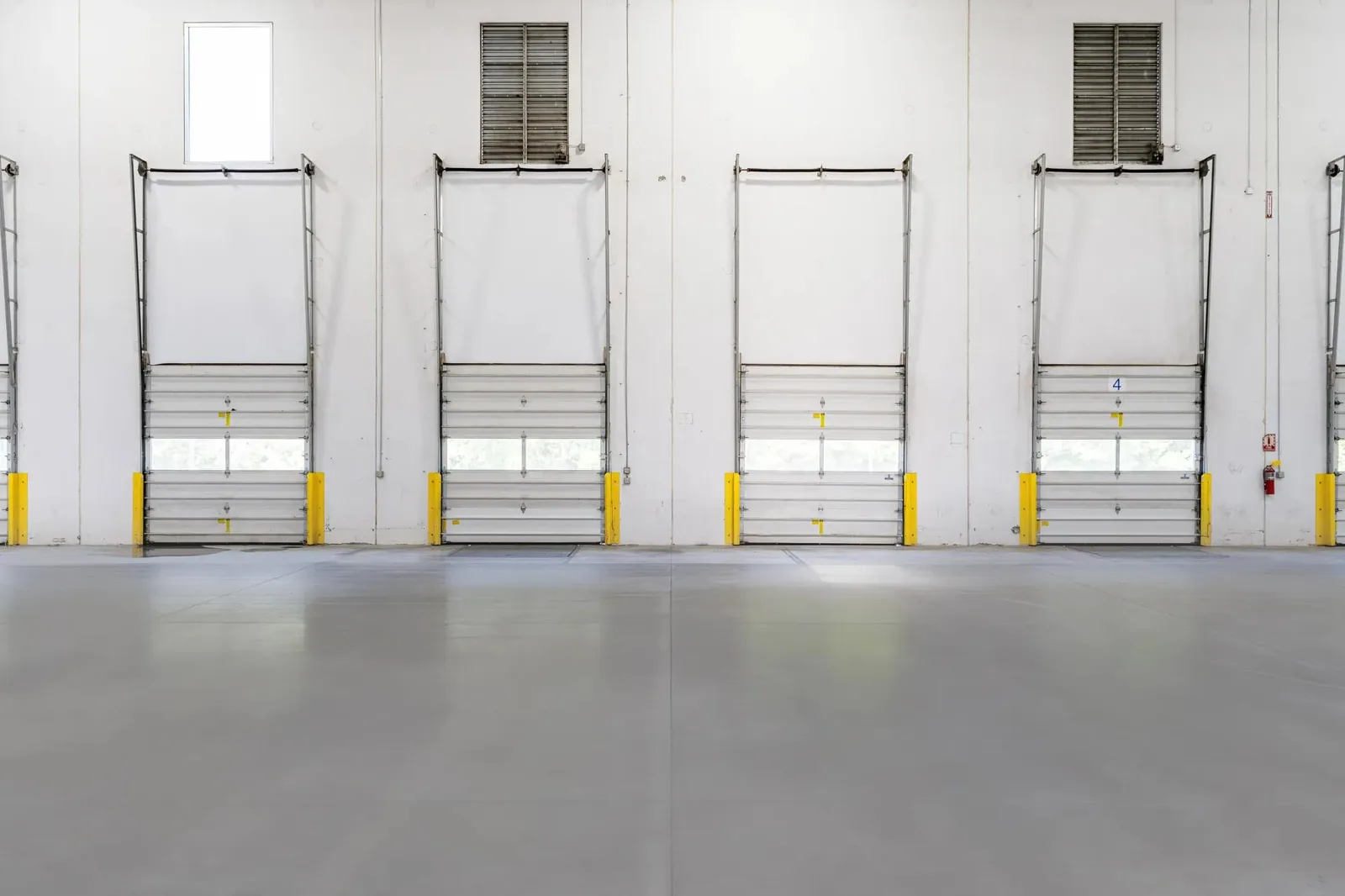
A roof project at a logistics property competes with receiving, dispatch, vehicle movement, and the people who keep orders moving. The roof scope has to preserve a clear route for operations while protecting the assembly overhead. For Peninsula distribution users, US 101 and El Camino Real are distinct regional routes. At each property, confirm the gate, trailer queue, roof hatch, and lift path with the facility contact before setting a work sequence. We use those local connections to plan the visit, then confirm the actual property gate, dock schedule, and roof access with facility staff.
Dock coordination: map the roof zone to the shift
A dock cannot simply be treated as open staging space. The facility contact shows us truck movements, pedestrian paths, loading peaks, and areas that must stay clear. We map those constraints beside roof hatches, drains, equipment, and the material lift point. A commercial roof inspection records observable conditions and identifies areas needing a closer test. Before work, the daily plan names the zone that will open, how it will be protected, and what must be clear before the next shift. If a delivery surge changes the route, the crew pauses movement and updates the boundary. This coordination can save more time than trying to recover a blocked dock after material arrives.
Leak location: connect interior evidence to roof geometry
Water over a staging lane can disrupt operations even when the entry point is several bays away. We locate the report on a plan, inspect seams and penetrations above it, and trace low points toward drains and overflows. If multiple reports appear after one weather period, each is mapped separately until a common path is confirmed. The leak repair scope identifies the area to open, material to restore, and access needed to reach it. A recurring issue near a drain may need a different response from a split lap or curb failure. The facility then has a repair description tied to an actual roof detail, not a broad square-foot allowance that hides the cause.
Drainage path: protect water movement during active work
When a roof field is open, temporary water control becomes part of the shift plan. We identify drains, scuppers, overflow paths, and low points before removing material, then set a dry-in boundary that leaves water a controlled route. The city’s listed design input for roof-drain rainfall is a minimum of two inches per hour; existing outlets still need field inspection for blockage, connection, and condition. For a property, we mark where temporary protection should direct water and who can authorize a changed scope. A drain and scupper review can handle outlet work separately from membrane replacement. This prevents a new roof layer from concealing a drain issue that still needs correction.
Material staging: keep the freight route and roof route distinct
The crew’s access path may cross a yard or service lane that supports daily deliveries. We identify where a truck can arrive, where materials can be unloaded, how the lift operates, and what route employees use below. Roofing materials should be kept out of drain paths and away from equipment service clearances. US 101 and SR 92 connect San Mateo districts, but regional corridors do not authorize a delivery location or a lane closure at any individual property. The SR 92 corridor is a real employment area; site staff still confirm gate hours, queue conditions, and staging limits. That distinction keeps the mobilization plan accurate and lets operations prepare for a defined impact.
System decision: compare roof options against use
A logistics building may have a large continuous roof area, but size alone does not determine the proper system. We review attachment, deck, insulation, existing layers, drainage, edge height, and equipment. Repair can fit isolated damage with sound material around it. Recover may be considered if moisture, attachment, code, and transitions support another layer. Replacement may be necessary when several zones fail or the deck needs access. A recover assessment should list what must be verified and what conditions disqualify the option. A membrane system comparison can be grounded in the existing assembly and project requirements rather than a sales preference.
Shift handoff: leave records people can act on
After the work area is released, operations need to know what changed and what to watch. We mark the completed zone, photograph drains and penetrations, identify any open test or follow-up, and record whether another trade must finish a task. Use the same roof-zone names in service tickets, facility maps, and capital schedules. A property management portfolio log can support several locations, while each logistics facility retains its own dock and access plan. For a building near Downtown San Mateo, keep approved delivery and work access details with that property rather than a regional assumption. The handoff should give the next shift a clear status and the owner a reliable repair history. For a mixed asset portfolio, manufacturing roof coordination can carry equipment and access controls into a separate facility record.
For buildings with multiple shifts, the supervisor who releases the work zone may differ from the person who scheduled the project. Write down the release contact, the roof sections that remain closed, and any temporary drain or access control that needs attention between shifts. If a storm or delivery change alters the day’s plan, the crew should know who can approve a revised boundary. Keep rooftop access distinct from yard traffic: a clear truck route does not necessarily provide safe access to a hatch or lift point. We verify both with site staff. The closeout should show where the crew staged material, what protection remained overnight, and which areas were accepted. On a regional file, use building codes or property names consistently so a report for one operation is not applied to another. This simple location discipline helps maintenance staff connect an interior report to the right roof map. It also allows a 3PL operator to schedule follow-up work without reconstructing what the prior shift saw.
A cost review should account for the full operating impact, not only roof material. Lift placement, dock closure, traffic control, security escort, debris handling, and protection below can affect labor and timing. We list those constraints in the scope so the owner can compare one phase with another. If a repair can be completed without closing a receiving lane, show the route and protection needed. If replacement requires a larger exclusion zone, identify how long that boundary applies. These details help operations decide whether to use a night window, staggered shift, or planned closure, while keeping the roofing contractor responsible for a defined and weather-tight scope.
Commercial Roofing Questions
How much of a logistics roof can be open at once?
We set a daily limit from weather, roof geometry, access, and dry-in capacity. Facility staff confirm whether the zone below can be protected, then the crew closes the work boundary before releasing the area.
Can roof work avoid the busiest dock hours?
Yes, the facility schedule is the starting point. We coordinate delivery peaks, lifts, noise, and access with the operations contact and adjust the phase if a change would block an active route.
What should happen when water appears over a dock?
Record the location and time, protect goods and people below, and report the condition. We inspect the roof area above and trace the water path before proposing a repair.
Can a new roof layer be installed over the existing one?
Only after moisture, attachment, deck, edge height, drainage, and code are reviewed. A recover proposal should state the test and detail conditions that support it.
What should a shift supervisor receive after a repair?
Give the supervisor the affected roof zone, completed work boundary, any temporary control, and the person responsible for follow-up. The full owner file should include photos and the final marked plan.
Review the roof scope with our crew
Share the property type, roof condition, access rules, and timing constraints. We can inspect the assembly, define a field scope, and coordinate a sequence around the operation.