
Local weather advisory
Coastal Flood Advisory: Commercial Roof Help in San Mateo
The National Weather Service has issued a coastal flood advisory covering San Mateo. Heavy rain and drainage loading can expose roof leaks, blocked drains, and ponding water. This is a weather exposure advisory; it does not establish damage to a specific roof.
Do not access a roof during hazardous weather. Protect people first, avoid water near electrical equipment, and request roofing help when conditions permit.
National Weather Service · Updated Oct 28, 2026, 7:20 AM UTC
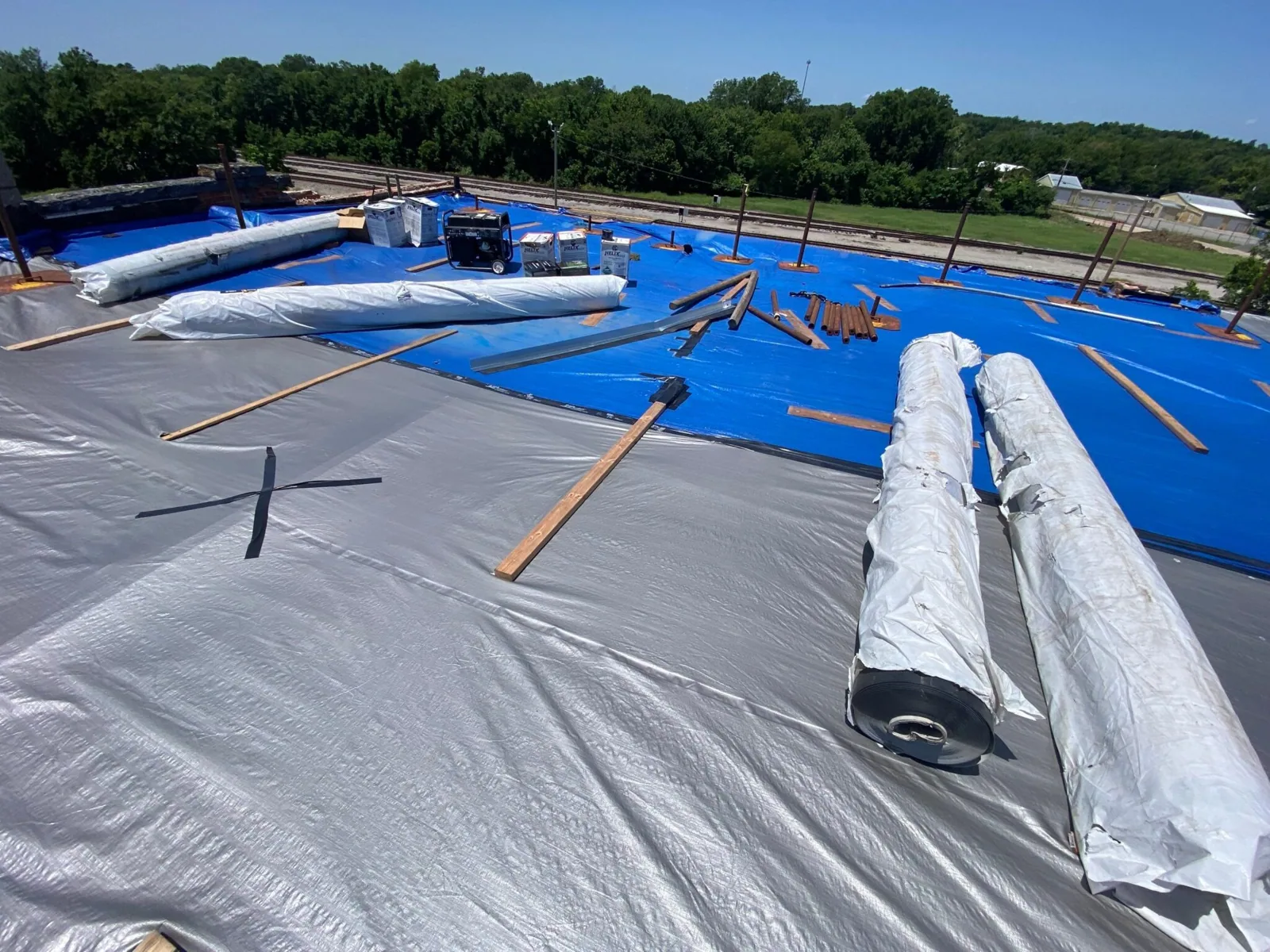
Emergency Roof Repair in San Mateo, CA
CATEGORY
Commercial Roofing Services
LOCATION
San Mateo, CA
Active water entry calls for safe containment and a clear next decision. In San Mateo, wet interiors, rooftop equipment, and occupied suites can require coordination before anyone reaches the roof. We ask where water is appearing, what is at risk, and who controls access; then we define whether a temporary measure or inspection is appropriate. The city’s climate planning evaluates shoreline and coastal-flood exposure, but that context does not diagnose a roof event. The affected building and roof zone must be assessed on their own evidence.
Inspection boundary: make the first report useful
The caller should describe the location, amount of water, start time, changes, nearby electrical equipment, and protection already placed. Keep people away from wet electrical areas and unstable ceilings, and contact the building's safety or facilities lead. If a ceiling is bulging, do not puncture it from below. A short written log preserves what happened before the conditions change and helps the responding crew prepare for the right access and materials.
Share the roof plan, ladder or hatch location, escort requirement, gate contact, and any active tenant restrictions. A Bay Meadows service visit still depends on the individual property contact and safe access route. Do not assume that an urgent call authorizes work across the whole roof. The first scope should state the area that can be inspected and the limits of any temporary protection.
On arrival, the crew should check the route from the building contact to the affected space and roof access point before carrying tools through an occupied area. Confirm whether a lift, escort, key, or roof permit is required. If there are separate buildings, list which one is being released. A secure entry point avoids exposing tenants to an open hatch and helps the manager track who is on the roof. The contact should also say which operations, equipment, or alarms must remain active while temporary protection is placed.
Assembly review: protect the interior without creating new hazards
Move contents where practical, place collection containers only in safe areas, and protect walk paths from slip hazards. Keep water away from electrical panels and powered equipment. If the property has a response plan, follow it and notify the responsible building staff. A roofing response does not replace emergency services, electrical isolation, or professional interior restoration when those are needed.
Temporary sheeting, a controlled patch, or debris removal may limit additional exposure, but each measure has conditions and a short-term boundary. The written note should say what was protected, what could not be reached, and what weather or access event could change the result. A wind-damage assessment may be needed after a storm, while leak investigation identifies the entry path before permanent correction.
The first Diligence Notes should separate the response that can be completed now from permanent work that depends on dry conditions, material identification, or additional authorization. Record the exact temporary cover and any weight, fastening, or weather limitation. State whether the affected interior needs a drying contractor or an electrical inspection. If water continues after the temporary step, the next contact should know what changed and where. A complete handoff reduces repeat calls that lack the information needed to judge whether the same leak is active or a new path has opened.
Sequence: inspect the likely roof zone
Once access is authorized and safe, compare the reported interior location with roof geometry, drainage, curbs, seams, penetrations, and perimeter details. Inspect adjacent elevations because water can travel laterally. Record visible conditions before moving materials or changing a temporary cover. The crew should distinguish an observed opening from a suspected pathway and identify whether further test work is needed to confirm a concealed condition.
During an urgent visit, inspect whether the outlet is clear, water is standing, and the overflow route remains open. Those field conditions matter more than a design assumption when the roof is actively leaking. Photograph standing water, blocked strainers, scuppers, and overflow paths, then separate maintenance from repair or design decisions. A drainage detail review can be scoped if the outlet is implicated.
Field detail: choose temporary work with explicit limits
A temporary action should identify material, placement, area, and condition for reinspection. It should not be represented as a permanent repair or warranty solution. Confirm who checks the protection after rain or wind and how the building reports a change. If access is unsafe, the site lead and contractor should agree on a safer time or alternate containment rather than forcing a roof entry.
For a membrane split, a compatible temporary patch may reduce entry until the substrate is dry and permanent preparation can be completed. A displaced edge, saturated insulation, or damaged deck can demand a different response. The crew notes any test required before the next step. A permanent repair proposal should define the tie-in and exclusion boundary; an inspection record can expand the review beyond the immediate area.
Cost drivers: coordinate an occupied property
Identify which suites, corridors, loading doors, or equipment rooms need protection or access. Agree on tenant notice, escorts, noise limits, and a route that separates roof work from public circulation. If a shutoff or trade response is required, name the responsible person and the point when roofing work pauses. The emergency log should preserve who authorized access, what was observed, and any remaining interior risk.
San Mateo has office and commercial activity around Downtown, Hillsdale, Mariner's Island, and Bay Meadows. Those patterns can make tenant communication relevant, but operating hours and access rules must be confirmed for each site. A phased access plan can define protected routes and release points when temporary work leads to a larger repair.
Closeout: set the next inspection and closeout
Before leaving, state what was stabilized, what remains open, and what would trigger another visit. Photograph temporary measures, roof conditions, interior effects, and access points. List materials used and any test or permanent correction still needed. Provide the manager with a clear contact path for a new report, without promising a result that depends on conditions not yet inspected.
Keep the emergency record with the property's roof history so a later inspector can see whether the same area has repeated. A dated report can distinguish temporary action from completed repair. Call Commercial Roofing San Mateo with the site contact, leak location, safety constraints, and roof plan; the crew can confirm availability and define the next safe field step.
The manager can also preserve the time, access conditions, and the person who accepted the temporary scope. Those notes guide a safe follow-up.
Commercial Roofing Questions
What should happen before a roofer reaches the roof?
Keep occupants away from wet electrical areas and unstable ceilings, notify the building safety lead, and provide authorized access instructions. Do not enter a roof area that is unsafe or not released.
Does emergency work include a permanent repair?
The initial action may only contain water or protect an opening. The inspection record should state its limits and identify the testing or permanent scope still required.
Can a roof be inspected during active rain?
Safety, access, surface conditions, and the type of inspection control that decision. If a roof walk is unsafe, the crew should use a safer approach and document what remains unobserved.
What information helps dispatch assess a report?
Give the property address to the contractor directly, affected room, active water status, roof access contact, safety issue, and any roof plan or prior leak record.
How is a temporary measure monitored?
The closeout should name its location, limits, and conditions for reinspection. The property contact should report changes after weather or if water entry continues.
Discuss emergency roof repair in San Mateo
Share the roof plan, access rules, and current condition with Commercial Roofing San Mateo. We can define the inspection boundary and next field step for emergency roof repair.