
Roofing for Property Management Companies in San Mateo, CA
CATEGORY
Industries We Serve
LOCATION
San Mateo, CA
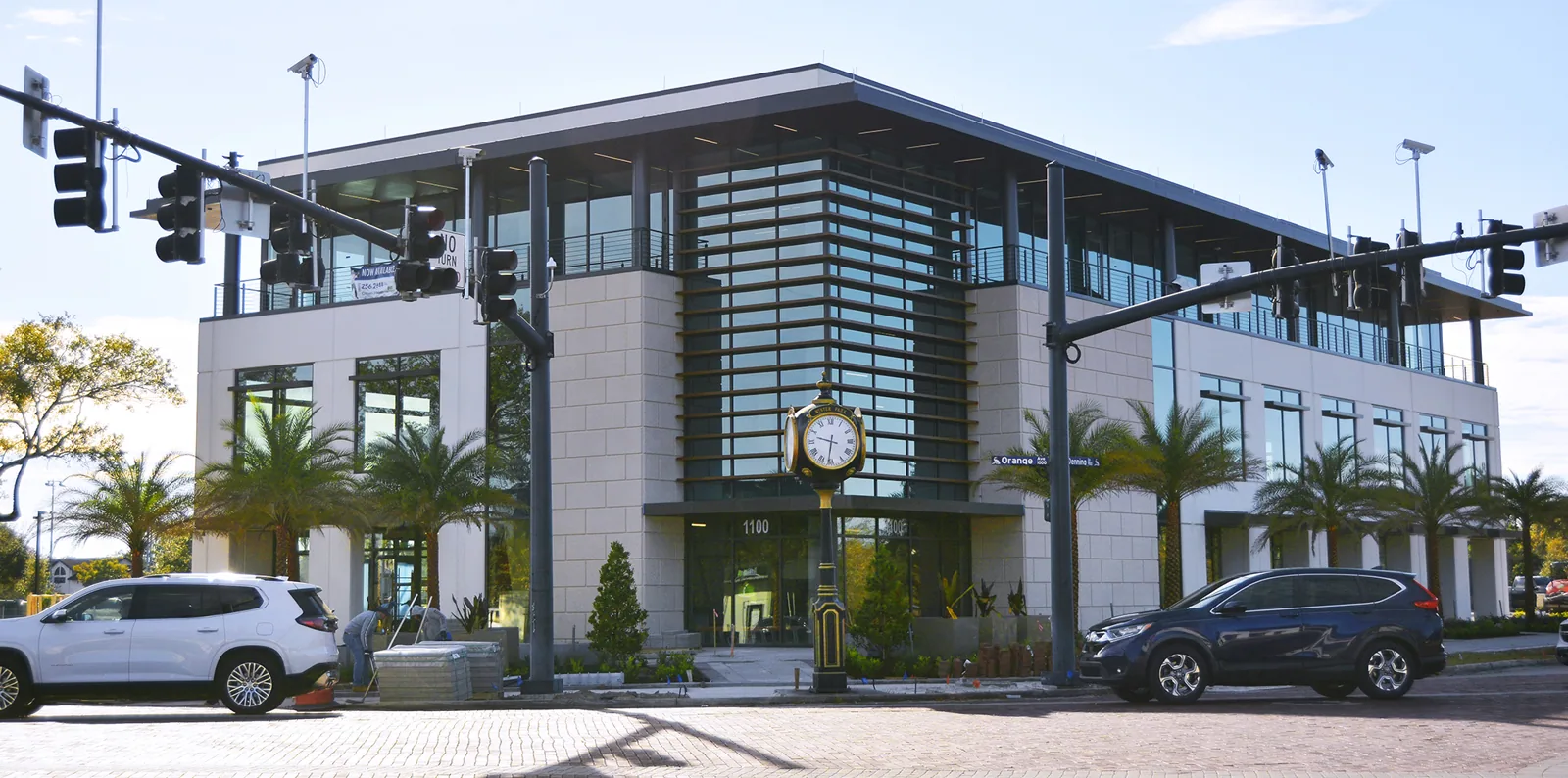
A property manager owns the roof decision even when the leak begins in one tenant suite. Bay Meadows Phase II combines office and residential components, a useful reminder that one portfolio can contain different operating patterns. For each asset, tie the roof record to its own access rules, service history, and renewal decision. Each building still needs its own roof map, access notes, repair history, and budget path. We inspect the assembly, distinguish active water entry from deferred maintenance, and give the manager a scope that can be compared across assets without assuming similar roofs share the same condition.
Portfolio inventory: build a record that survives turnover
Start with the asset list, not a generic inspection schedule. For each property, record roof area by section, system where confirmed, approximate installation history only when owner records support it, known repairs, penetrations, drain locations, and interior leak reports. We use photographs and a marked plan so the next manager can identify the same area without interpreting an old work order. A photo-based roof condition report can separate observed conditions from items that need testing. Give each issue a priority, an access constraint, and a recommended next action. This makes portfolio reviews more useful: one building may need a targeted flashing repair, another a moisture survey, and a third a capital plan for phased replacement. Keep unknowns visible rather than filling them with assumptions.
Work order: connect the symptom to the roof detail
A ceiling stain is useful location information, but it is not a roof diagnosis. We trace the reported area upward and inspect seams, curbs, penetrations, parapets, drains, and changes in slope. On a managed property, ask the occupant when water appeared and whether it followed wind or rain, then compare that report with roof conditions and prior service records. A defined leak-repair scope identifies what will be opened, what material will restore the assembly, and what remains outside that repair. If more than one tenant reports water, map each report by roof zone before combining scopes. This prevents an isolated interior symptom from being priced as a broad replacement, while also keeping recurring failures from disappearing inside a series of small patches.
Tenant coordination: make the work boundary understandable
Managers need a sequence tenants can follow without guessing which entrance, loading area, or interior room will be affected. Before mobilization, we identify roof access, staging, lift placement, noise-producing tasks, temporary closures, and the contact who can approve a changed condition. The crew marks each work area and keeps the temporary dry-in boundary clear at the end of a shift. A phased occupied-building plan can separate noisy tear-off from detail work and document when an area is released. Downtown San Mateo has retail and transit access, so a property manager there may need to coordinate curb use and pedestrian routes with the building’s own rules. District context informs the conversation; only the site manager can approve property access.
Budget review: compare repair, recover, and replacement
A portfolio budget should show what changes the recommended scope. We inspect membrane condition, attachment, deck, insulation, moisture, drainage, edge metal, and penetrations. A narrow repair can fit isolated damage with sound surrounding materials. A recover may be appropriate only if existing layers, moisture, attachment, edge height, and code requirements permit another assembly. Replacement becomes more compelling when failures recur across zones, insulation is wet, or the deck and attachment need broader work. Use a replacement comparison to separate removal, disposal, new insulation, edge details, and occupied-building costs. San Mateo’s listed business sectors include technology, finance, restaurants, and retail; properties serving these tenants may have different operating windows, but tenant type alone does not determine roof condition or cost.
Capital planning: sequence buildings by evidence
A register can distinguish Downtown, Hillsdale, and Mariner’s Island as separate submarkets, while keeping condition and repair history attached to the individual property rather than the district label. For a manager with several addresses, those places can help organize visits by geography, but capital ranking should follow condition, exposure, repair recurrence, and owner priorities. Place urgent water-entry work first, then address safety and drainage, then compare larger renewals against lease and budget dates. A roof capital plan can state assumptions, dependencies, and alternatives without pretending that a preliminary walk is a bid. The plan should also distinguish work that can be done during normal operations from tasks requiring special access or equipment coordination. When assets differ, use consistent report fields while preserving building-specific recommendations.
Maintenance handoff: keep future inspections actionable
After work, the manager should receive a current roof plan, photographs keyed to locations, materials used where documented, warranty papers if applicable, and a list of items left open. Include drain cleaning, edge observations, penetrations, and any location where another trade changed equipment or support. Do not bury a pending design question inside a completed-repair ticket. An owner can then plan maintenance by roof zone and compare the next inspection with actual prior conditions. For assets near the Downtown San Mateo commercial district, schedule access around the property’s circulation needs; for buildings elsewhere, the same disciplined record still applies. A portfolio owner review may use these same records to align asset reporting with renewal timing. When a documented roof issue affects an insurance file, a restoration record can keep observations and completed repairs together for review.
Before turning an inspection into a portfolio budget, sort findings by decision rather than by the order they appear in a report. An active leak needs a response scope and interior protection plan. A recurring seam issue may need a test or detail review. A broad pattern of wet insulation or attachment failure belongs in a renewal comparison. We can place these items on separate lines so the owner does not confuse urgent mitigation with capital work. Then connect each item to a property contact, approval date, access rule, and next inspection. A manager covering several addresses can use a common status field, such as open, scheduled, completed, or awaiting owner direction, while preserving the unique roof map for each building. For Mariner’s Island, Hillsdale, or Downtown assets, use the property’s confirmed access point and loading rules when arranging the visit. Those are operating details, not a substitute for the roof inspection. A clean budget note should say what is known, what is an allowance, and what observation could change the price. That makes renewal timing more useful to ownership and less likely to be driven by a single unexplained number.
Commercial Roofing Questions
How should a manager prioritize several reported leaks?
Map each interior report to a roof zone, then compare timing, weather, prior repairs, and visible conditions above it. We group only findings with a shared roof cause; unrelated failures retain separate scopes and budget decisions.
What belongs in a portfolio roof report?
Include a marked roof plan, observed system where confirmed, photo locations, drainage and edge notes, open tests, repair options, and access constraints. A manager can then hand the same record to operations, ownership, and the next service provider.
Can one inspection standard cover every property?
Use consistent fields for comparison, but keep each building’s assembly, condition, and recommendation specific. Shared reporting makes differences clearer; it should not flatten distinct roof systems into a single portfolio assumption.
How do you limit tenant disruption?
The property contact identifies entrances, quiet periods, loading rules, and interior areas needing protection. We phase the roof work, set release points, and update the boundary when concealed conditions require a change.
When should an owner budget for replacement?
Compare recurring repairs, moisture findings, attachment, deck condition, drainage, and the number of affected zones. We present repair, recover, and replacement alternatives with stated assumptions so the manager can align scope with the asset plan.
Review the roof scope with our crew
Share the property type, roof condition, access rules, and timing constraints. We can inspect the assembly, define a field scope, and coordinate a sequence around the operation.