
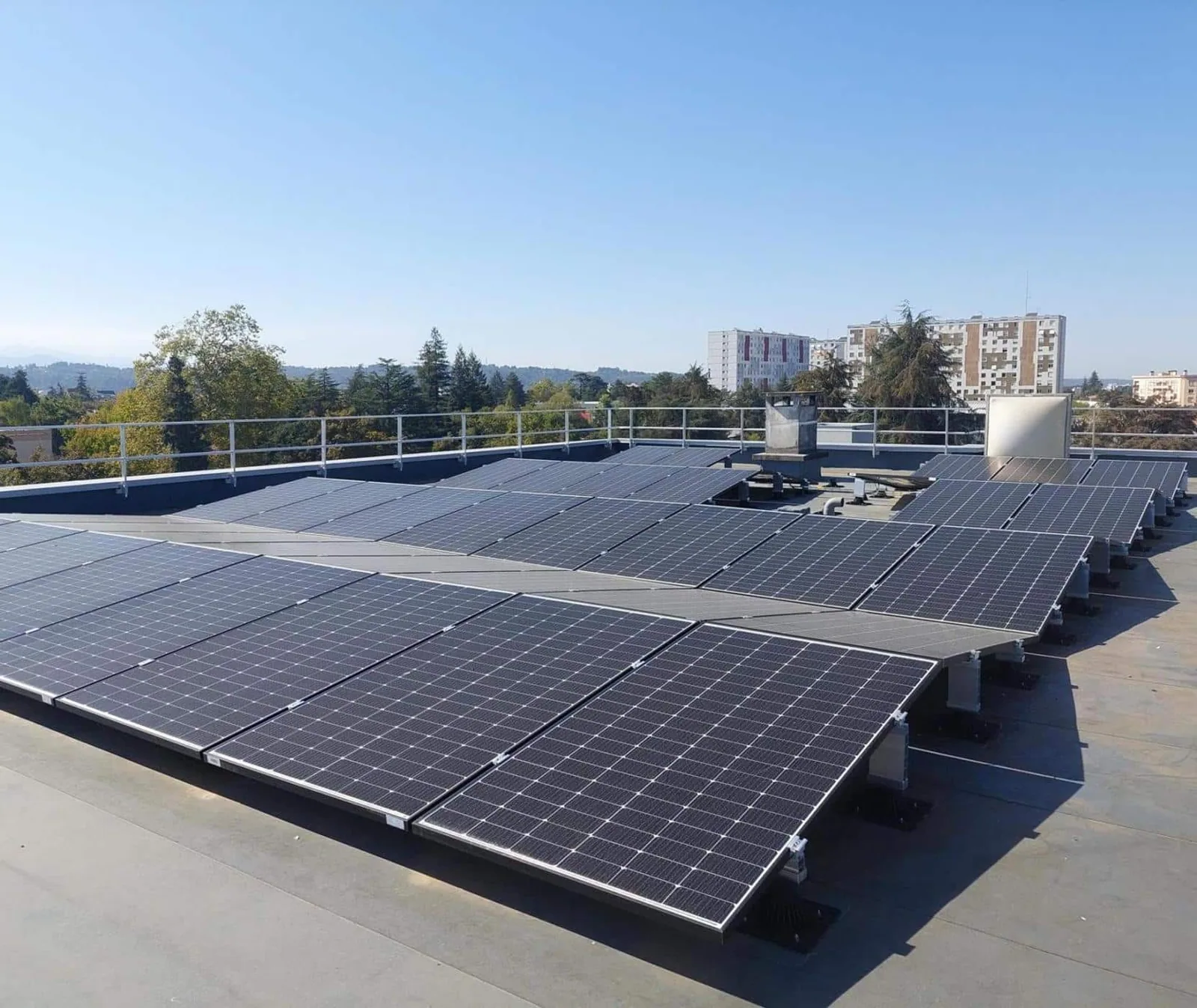
SOPREMA Commercial Roofing in San Mateo, CA
CATEGORY
Roofing Manufacturers
LOCATION
San Mateo, CA
A roof specification can call for more than one type of system. SOPREMA manufactures commercial roofing products that include SBS-modified bitumen, liquid-applied PMMA or PMA membranes, and single-ply PVC. Each option brings a different layer arrangement and installation detail. For a San Mateo, CA project, we begin with the deck, existing roof, drainage, and edge conditions, then compare the selected assembly with what is actually on the building. That first check helps a GC decide whether to repair, restore, recover, or replace. The material name alone does not set the scope. We can compare the Duro-Last PVC system, Sika Sarnafil membranes, and GAF commercial assemblies against the project details. We identify how the surface will be prepared, how the membrane will turn at curbs and walls, and where work can stop safely each day. The proposed system has to fit the roof and the construction sequence.
System detail: compare layers, not labels
SBS-modified bitumen is a multi-ply approach, while PMMA or PMA liquids create a membrane through a coating and reinforcement process, and PVC arrives as a sheet system with welded seams. The right comparison starts with substrate, slope, drainage, detail count, and the condition of existing layers. We review the project specification and manufacturer details before ordering components. If the roof includes numerous penetrations or tight transitions, the crew needs a clear method at each one. A liquid-applied system may require careful surface preparation and reinforcement at changes in plane; a sheet membrane calls for lap and flashing coordination; a multi-ply roof requires its specified sequence of plies and surfacing. The submittal must identify compatible accessories and the inspection points that match the selected assembly.
Field condition: understand the surface beneath the system
Before new material is installed, we check whether the existing roof is dry, firm, and suitable for the proposed work. Blisters, loose surfacing, open laps, cracked coating, wet insulation, and deteriorated edge metal each point to a different correction. A surface that looks uniform from the roof hatch may hide moisture below. We document representative conditions and use test cuts where the GC approves them. That record separates confirmed work from concealed conditions that need an allowance. The San Mateo Shoreline Specific Plan and current adaptation planning recognize shoreline infrastructure and coastal-flood exposure as local planning concerns. That context makes drainage and perimeter inspection relevant, but it does not establish that any one roof is exposed or damaged. We verify drains, low points, and the wall transition on the project itself. A Shoreline District roof survey still needs site-specific measurements and access coordination.
Cost driver: include preparation and detail labor
Preparation can carry as much consequence as the membrane selection. Removing loose surfacing, correcting a failed drain, rebuilding a curb, or replacing saturated insulation changes labor and material. The GC should compare bids with the same tear-off assumptions, substrate work, cover board, flashing, and edge metal. A coating restoration also needs an adhesion and compatibility review; coating over an unstable or wet roof only hides the condition for a time. For a new multi-ply build-up, the number of layers and the specified surfacing affect handling and dry-in. We write the planned work and allowances separately, then note what evidence would trigger a change. A roof coating restoration and a full replacement should be priced with their own preparation steps. That makes the price easier to compare and leaves the owner with a practical decision if demolition uncovers a different condition.
Sequencing: control installation and trade access
Every roof system has a sequence that should be visible to the field team. We coordinate material staging and access with the GC, mark the sections that can be opened, and set a protected end-of-day boundary. SBS work needs its specified application method and fire-safety controls; liquid-applied work needs clean surfaces and curing time; sheet PVC needs welded seams and finished terminations. Rooftop equipment work should be scheduled before membrane closure or performed under an agreed protection detail. The crew records deck repairs, insulation placement, and finished transitions before covering them. If tenants or operations need a clear path, staging and hoisting are set away from occupied access. A short daily coordination meeting can confirm weather, inspection points, and the next area release without turning the roof plan into an informal moving target.
Scope boundary: preserve what the next phase needs
A phased reroof should leave a tie-in that can be reopened and completed without cutting through finished work. We identify the stopping line, temporary termination, protection method, and who owns the return visit. Mariner's Island sits between Marina Lagoon and Foster City and includes commercial and residential land uses. A lift window or debris route should be coordinated with the GC on each job, rather than assumed from the district's planning description. The scope also records which existing drains, curbs, skylights, and metal edges remain. If a future phase connects to a different roofing system, the selected detail should be reviewed before the first section is installed. Good phasing keeps the immediate work dry and leaves the next crew a defined surface, not an undocumented edge that must be rediscovered.
Details at a tie-in deserve their own drawing and field check. The crew should know how the selected material meets existing metal, a wall, an expansion joint, or a drain before demolition exposes the edge. We take dimensions, confirm the termination surface, and note where another trade must move or protect equipment. Those measurements help determine whether a transition can be completed with a standard detail or needs a project-specific approach. If the proposed system includes liquid flashing, the reinforcement and cure sequence need room in the schedule. If it uses sheet membrane or bituminous plies, the lap or cap termination must remain accessible for inspection. A sequence that lists those checkpoints protects the water path and gives the GC a realistic handoff between roofing and adjacent trades.
Commercial Roofing Questions
Which SOPREMA system should a San Mateo GC specify?
Start with the roof condition, deck, drainage, and project criteria. SBS-modified bitumen, liquid-applied PMMA or PMA, and PVC sheet systems have different preparation and transition requirements. We review the details against field conditions and identify which assembly can be installed without concealing a substrate problem.
Can a coating go over an older roof?
Only after checking adhesion, compatibility, moisture, and the condition of the underlying assembly. We test representative areas and identify loose or wet material before pricing restoration. If the roof cannot support the coating system, the scope shifts to removal or another assembly.
What changes between SBS and a single-ply sheet system?
Layer sequence, application method, seam treatment, surfacing, and detail work differ. We compare those requirements with the deck and schedule. The proposal should list the exact build-up and accessories rather than presenting both choices as interchangeable membrane materials.
How should a phased SOPREMA reroof be closed for the day?
The crew needs a secure temporary termination at the planned stopping line, with open insulation protected from moisture. We mark the tie-in and document the closed area. The GC should know which section is ready for other trades and where roofing work resumes.
What should be included in the closeout record?
Keep the final system detail, marked roof plan, photographs of drains and terminations, and a list of substrate repairs together. If a coating or liquid membrane was used, include the prepared areas and reinforcement details. That gives maintenance staff a useful reference for later service.
Set the SOPREMA scope from the roof up
Share plans, the specified assembly, and access limits. We can inspect the current roof, mark transitions, and coordinate the installation sequence with your San Mateo GC.