
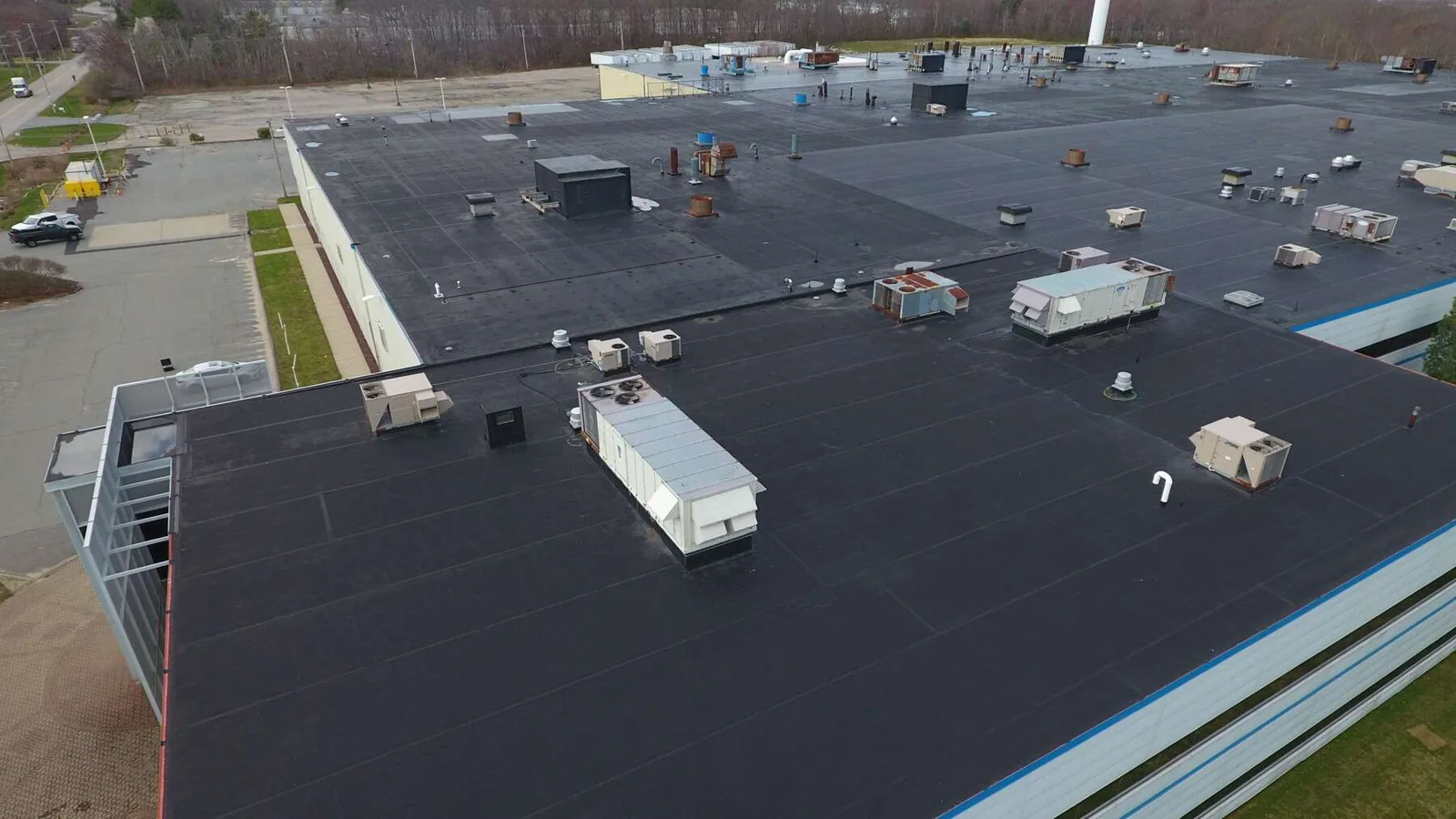
Commercial Roof Membrane Puncture Repair in San Mateo, CA
CATEGORY
Roof Damage Repair
LOCATION
San Mateo, CA
A cut beside a service path can admit water before anyone notices damage to the ceiling. For a San Mateo, CA commercial roof, we locate the puncture, inspect the membrane around it, and check whether the substrate remains dry and firm. Downtown offices and the Hillsdale area have different occupant and delivery schedules, yet a repair still needs a measured edge, compatible material, and a clear handoff to whoever uses the roof next. We protect the interior, then define whether the puncture is isolated or connected to a larger condition.
Puncture review: find the full cut, not only its center
Mark the puncture and inspect the surrounding sheet for scuffs, cuts, crushed insulation, loose patches, or a nearby seam that has opened. A small surface mark can conceal a longer slice under a walkway pad or equipment rail. We check both sides of the damage, photograph the roof zone, and note the object or trade activity reported by the property contact without assuming that it explains the full failure.
San Mateo lists technology firms, finance, restaurants, and retailers among its business sectors. That range means rooftop access and service routes vary by property. In city planning, Downtown and Hillsdale sit among the commercial and office areas, with Bay Meadows, Mariner's Island, and State Route 92 also included in the employment geography. Those places frame the market; a roof walk confirms the actual use and repair boundary at the building.
If the puncture is near a curb, pipe, or roof edge, inspect the flashing and termination before patching the field sheet. A flashing repair may be needed when the membrane turn-up is cut or loose. A seam correction is separate if the lap has opened. We list each condition so a patch around one cut does not leave an adjacent path unresolved.
Assembly match: choose a patch the roof can accept
Identify the sheet before selecting a patch. TPO and PVC repairs can be heat welded when the existing membrane is compatible and prepared cleanly. EPDM calls for its own primer, tape, and cover strip. Modified bitumen and built-up roofs use different lap and surfacing methods. Coated surfaces need compatible reinforcement and coating. We confirm the assembly from records or exposed edges; a white surface alone does not establish that it is TPO.
Prepare beyond the visible cut and onto material that can take a continuous bond. Remove loose or contaminated material, dry the repair area, and check for moisture in insulation or at the deck. If wet insulation extends beyond the puncture, map its limit and pause for approval before enlarging the opening. A TPO system repair and an EPDM patch need different steps and materials, so the proposal records what was verified.
San Mateo's Title 24 review follows the 2025 California code cycle, effective on January 1, 2026. An in-kind patch differs from a change to assembly or attachment. We state which work can proceed and identify design review if a larger condition affects the roof system. That gives the GC a price for the cut repair and a decision point if concealed damage changes scope.
Access plan: protect service routes and the interior
Rooftop work can share a path with HVAC service, solar maintenance, or deliveries below. Confirm the hatch, loading area, fall protection, and equipment shutdowns before material arrives. If a walkway pad covers the puncture, coordinate its removal and reinstallation with the responsible trade. Keep the repair limit visible until the patch is checked.
For an occupied office or retail building, protect the room below and agree how to communicate a temporary opening. A rapid response can cover an active opening before permanent work. Mark the temporary zone and return condition. The handoff states where another trade may walk without crossing fresh material.
Bay Meadows and Mariner's Island have mixed-use planning areas, but access rules belong to each property. Confirm work hours and notices with the manager, then phase the repair around operations. Record shutdowns or material moves that change the sequence before the roof is opened.
Repair boundary: keep concealed damage in its own approval step
A puncture repair can grow if the cut reaches wet insulation, damaged deck, or a failed lap. State the measured patch, preparation, material, and tie-in, then define approval for added work. Photograph concealed conditions before opening further and give the GC a choice to authorize the area, request separate pricing, or close it with agreed protection.
If water is inside, trace the reported area and note other possible entry points. A commercial leak assessment can connect the symptom with the puncture and record testing still needed. Do not assume the nearest mark caused the stain. A wind-damage repair may be separate when lifted material extends beyond the cut.
The scope can include interior protection and dry-in, but names responsibility for ceiling, insulation, electrical, or equipment work outside roofing. That boundary helps schedule the right trade. If replacement is considered, inspect the surrounding roof before choosing recover or tear-off. One puncture does not determine the rest of the assembly.
Quality check: record the patch before the walkway returns
Inspect the repair edge, bond or weld, nearby seam, and roof surface before replacing a pad. Photograph the prepared area and finished patch with a plan reference. Note the material, dimensions, adjacent exclusions, and any test limited by weather or access. Set a follow-up to close the record.
A roof condition report can keep puncture locations, repair dates, and open approvals together for a facilities team. Add the repaired point to the next roof walk, especially if equipment service continues nearby. A Downtown San Mateo service area can include different building uses, so each plan reference should identify the roof level and zone.
Send photographs, roof records, access notes, and recent work details. We will confirm the assembly, mark the patch boundary, and state the approval step for concealed conditions. The GC gets a defined repair and the next trade gets a route that protects the finished surface.
Commercial Roofing Questions
Can a puncture be repaired without replacing the roof section?
A local patch can work when sound membrane and substrate extend beyond the cut. We confirm the assembly and inspect for moisture, loose material, or an adjacent failed seam. If the opening exposes wet insulation or deck damage, we measure that added area and seek approval before expanding the repair. The roof outside the marked limit is not presumed to need replacement.
Should the walkway pad be removed before inspection?
The responsible trade should coordinate removal so the roof surface and pad can be checked safely. We document the covered area, inspect the membrane, and agree who reinstalls the pad after the patch is ready. If a rail or equipment base covers the cut, that access constraint belongs in the work sequence and estimate.
How do you keep water out while a permanent patch is scheduled?
When conditions allow, we protect the opening with a defined temporary dry-in and record its location and return condition. The permanent repair still needs dry, prepared material and the correct patch components. We coordinate interior protection and return timing, especially when the opening is over an active office, retail, or mechanical area.
What details affect the cost of a puncture repair?
Membrane type, patch dimensions, access, moisture, substrate condition, and whether a walkway or equipment trade must move all affect the scope. Interior protection and after-hours work may change sequencing. We list the measured repair separately from concealed insulation, deck, or flashing work so the GC can approve a change with the condition visible.
What should the repair record include?
Keep the roof-plan location, before-and-after photographs, membrane identification, patch material, repair dimensions, and any test result. Note access limits and adjacent damage excluded from the work order. A facilities manager can then compare the same point during a later inspection and protect it when another trade returns to the roof.
Mark the puncture and plan the rooftop handoff
Share the roof plan, membrane records, photographs, and service-access limits. We will inspect the cut, define a compatible repair, and coordinate the San Mateo work sequence with the GC.