
Local weather advisory
Coastal Flood Advisory: Commercial Roof Help in San Mateo
The National Weather Service has issued a coastal flood advisory covering San Mateo. Heavy rain and drainage loading can expose roof leaks, blocked drains, and ponding water. This is a weather exposure advisory; it does not establish damage to a specific roof.
Do not access a roof during hazardous weather. Protect people first, avoid water near electrical equipment, and request roofing help when conditions permit.
National Weather Service · Updated Oct 28, 2026, 7:20 AM UTC
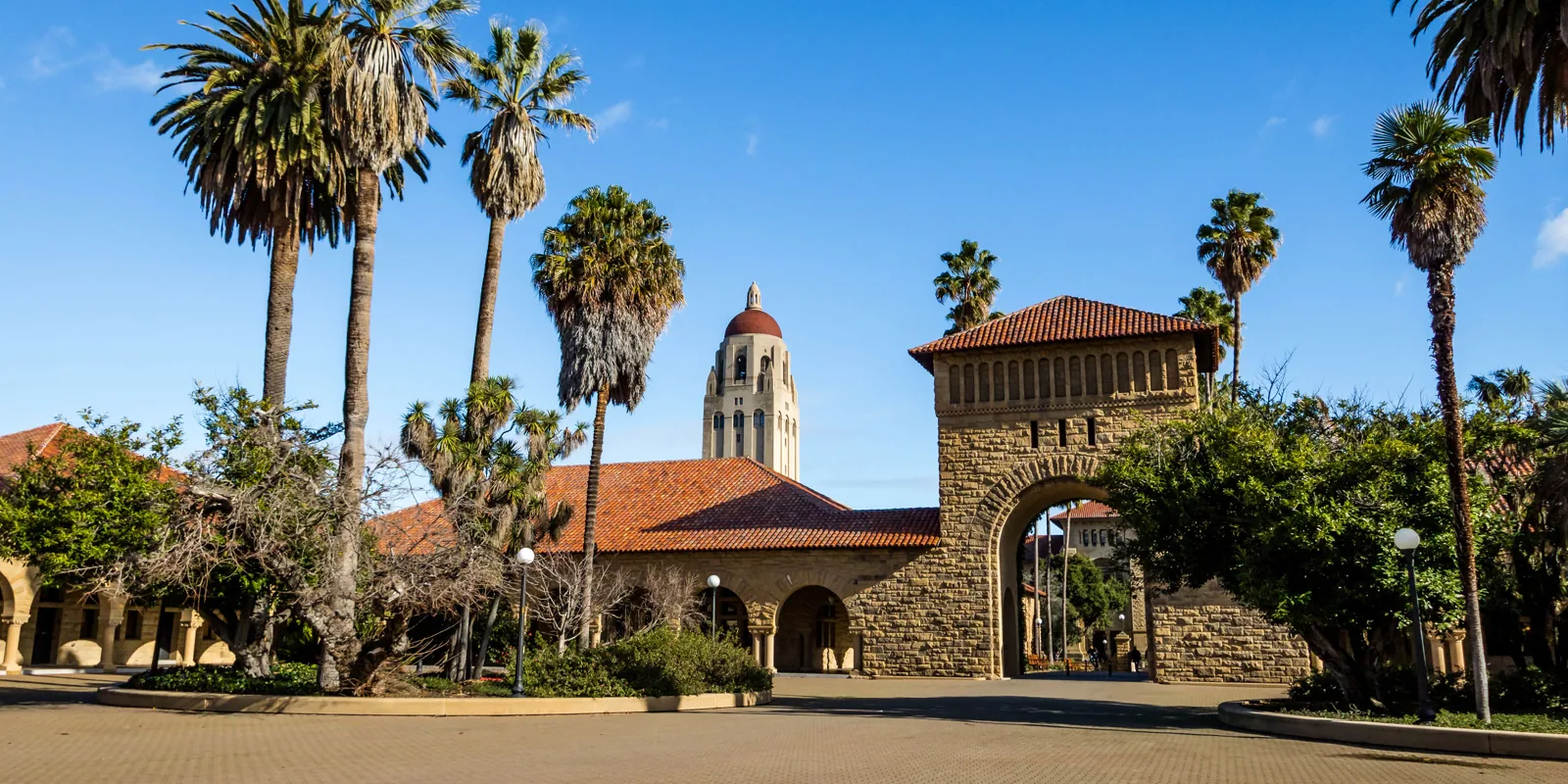
Commercial Roofing in Palo Alto, CA
CATEGORY
Service Areas
LOCATION
San Mateo, CA
A roof over a Palo Alto research or commercial property can include equipment and penetrations that change the work sequence. We verify the installed assembly, map drainage and perimeter details, and confirm access with the building contact before recommending repair or renewal. Downtown and other commercial districts provide geographic context, not proof of a roof type or operating rule. The field report distinguishes tested conditions from assumptions and gives the owner a clear boundary for the next scope.
Field condition: research and commercial roofs need a field scope
Palo Alto's commercial and research districts are governed by adopted planning and zoning rules. A project that changes rooftop equipment, insulation, drainage, or roof assembly may need a design review tied to its specific scope. That review should use a marked roof plan with the proposed curb, flashing, drain, and perimeter changes shown. We keep the roofing quantity takeoff separate from any structural or mechanical work so the owner can assign the right professional to each question. The report names the decision owner and review date. If one area needs a test opening, record its location and closeout method before the roof is cut. Our inspection documents the field condition first: roof type where confirmed, seams, penetrations, curbs, drains, edge metal, and signs of moisture or movement. A map that labels the property as research or commercial does not tell us which details are present. The field report identifies the evidence that supports a recommendation and the test that would resolve any remaining uncertainty. We avoid including an allowance as if it were a confirmed repair. If removal reveals wet insulation or a deteriorated deck, the owner sees the change in scope before additional work proceeds.
We coordinate roof access with the facilities contact, identify any equipment that cannot be interrupted, and set limits for lifts and material staging. If a leak is reported near a lab or office, we use the interior location as a starting point and trace above it. A commercial roof inspection records visible conditions. If a verified seam or curb failure needs attention, a repair scope states the boundary and material tie-in before work begins.
Scope boundary: district context, not building assumptions
The Comprehensive Plan is Palo Alto's long-range policy for land use and community development. The city also distinguishes downtown and other commercial districts. Those facts help an owner organize a portfolio, but each property file needs an address-specific roof plan, assembly record, and access contact. For downtown work, the owner confirms the route and staging limits; for a research-area building, the facilities lead identifies service clearances and any controlled access that affects the crew.
Menlo Park's business districts include Downtown, Belle Haven, and Sand Hill. A regional owner can group a site visit there, then keep roof maps and access contacts specific to each city. A regional facilities group may coordinate sites across the city line, yet a work authorization, permit question, and roof condition belong to each building. The inspection can show which curbs and penetrations need flashing work, whether drains are clear, and whether multiple layers conceal earlier repairs. That is a better basis for a capital decision than applying one roof specification across every district.
Sequencing: repair, recover, or plan a replacement
A localized repair can be efficient when the roof around the defect remains sound. We inspect the adjacent membrane, attachment, insulation, edges, and drainage before setting the repair limit. If the defect reaches a curb or a roof-to-wall transition, the tie-in detail may need more work than the visible split suggests. We photograph each condition, explain any test needed, and list the material or access constraint that changes the estimate.
A recover is an option only when existing layers, moisture, attachment, edge height, and drainage support another assembly. Replacement may be the better path if moisture is widespread or repeated repairs have weakened the roof. A replacement scope should show removal limits, insulation, perimeter flashing, drains, and dry-in sequence. For low-slope areas, the survey may compare TPO membrane installation with another compatible material. A recover evaluation can identify what must be confirmed before adding another layer.
System detail: protect equipment and access
Equipment curbs, conduit, and supports can interrupt a membrane and create future service points. We mark each item within the planned roof zone, inspect the flashing and drainage around it, and set a coordination rule before another trade moves a support. If the owner needs equipment service during reroofing, the daily schedule should identify which roof sections stay accessible and how the opening will be closed if the work pauses.
For occupied commercial buildings, crew movement and interior protection belong on the same drawing as the roof sequence. We identify the material route, lift area, debris path, and temporary barriers. A phased occupied-building reroof plan can keep the work boundary clear. Where facilities manage multiple research or office assets, a portfolio roof survey can show common scope categories without assuming the buildings share a membrane or remaining service life.
Cost driver: leave a usable property record
The final report should tell a facilities manager what was seen, where the crew worked, and what remains. We provide a roof map, dated photographs, repair locations, material information where confirmed, and any open condition that needs a test or owner decision. A clean handoff separates completed scope from a recommendation that has not been authorized. If another contractor is responsible for an equipment base or structural question, list that boundary before the next roof visit.
Palo Alto and East Palo Alto both appear as city-level service areas, but the roof histories remain independent. A portfolio schedule can group travel and approvals while retaining independent roof histories. For a property with laboratory, office, or support functions, the facilities contact can identify which equipment must remain accessible during a roof opening. We note the hatch route, service clearance, lift location, protected interior zones, and the sequence for restoring each area. Those observations affect crew hours and material handling, but they do not change the inspection standard: confirm membrane, attachment, insulation, deck where visible, drainage, and the perimeter before pricing the larger scope. When the next inspection takes place, compare it with the same roof zones and note changes in drainage, flashing, or membrane condition. Share the roof plan, access limits, reported issue, and any previous patch documentation to set up a focused site review. We will translate field observations into the repair or replacement decision the owner needs to make.
Commercial Roofing Questions
Does a research-district designation tell you the roof assembly?
No. The city’s zoning and planning designations describe land use, not the installed roof. We verify the assembly and equipment layout during the inspection and note any condition that needs testing.
Can roofing work proceed while research or office space is occupied?
It can be phased when the building contact approves access, material routes, protection, and work windows. We set the daily opening and dry-in boundary so active areas remain clear.
How do equipment curbs affect a roof replacement?
Each curb is a membrane interruption and service point. We inspect the flashing, support, and drainage around it, then define how the curb detail will be renewed and coordinated with mechanical work.
When is an overlay appropriate?
Only after the existing layers, moisture, attachment, edge height, drainage, and structural considerations are reviewed. The assessment states what is confirmed and what must be checked before another layer is added.
Can you coordinate work across Palo Alto and East Palo Alto?
Yes. A regional schedule can group visits, but each city property receives its own access review, roof findings, approvals, and closeout record.
Plan a San Mateo roof review
Share the property location, roof access requirements, reported condition, and any available plan or repair history. We will inspect the relevant areas and provide a field-based scope for the next decision.