
Local weather advisory
Coastal Flood Advisory: Commercial Roof Help in San Mateo
The National Weather Service has issued a coastal flood advisory covering San Mateo. Heavy rain and drainage loading can expose roof leaks, blocked drains, and ponding water. This is a weather exposure advisory; it does not establish damage to a specific roof.
Do not access a roof during hazardous weather. Protect people first, avoid water near electrical equipment, and request roofing help when conditions permit.
National Weather Service · Updated Oct 28, 2026, 7:20 AM UTC
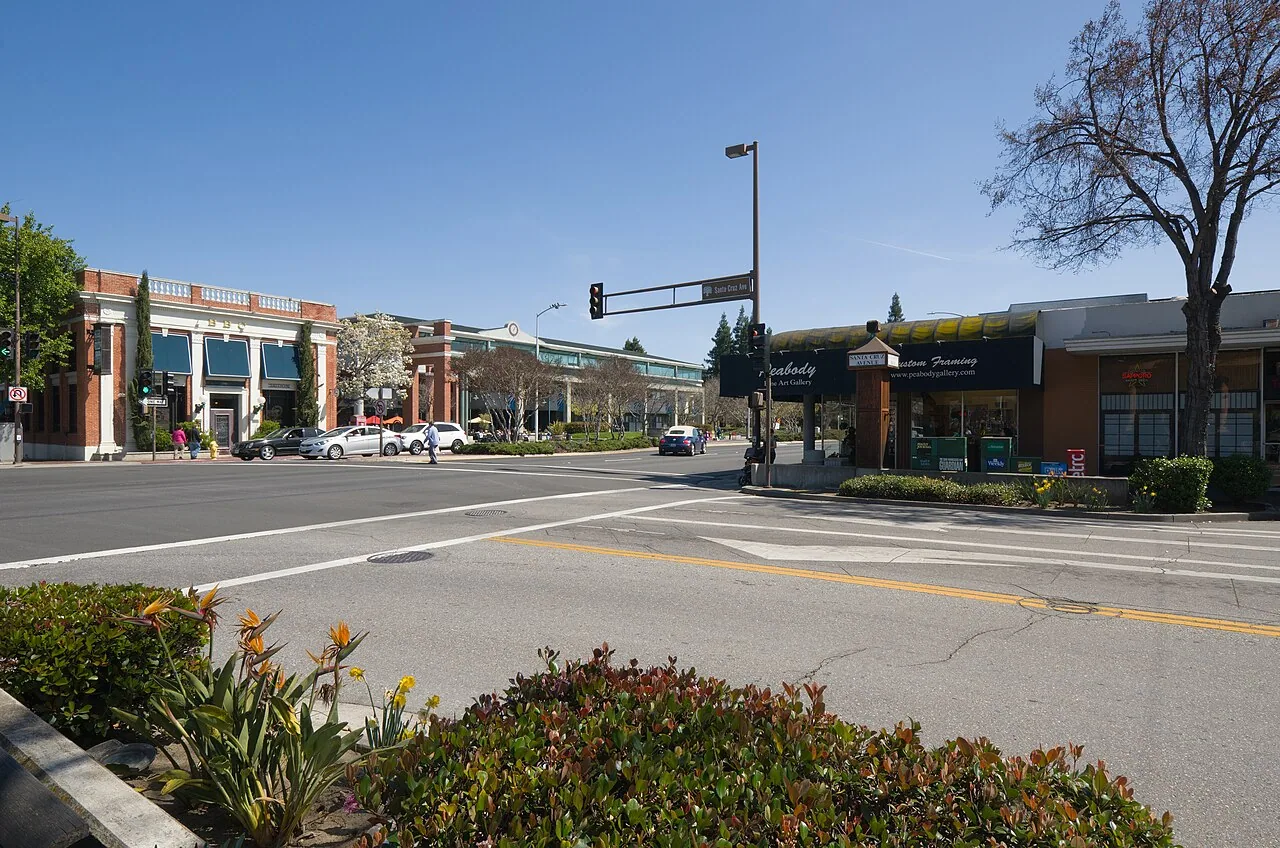
Commercial Roofing in Menlo Park, CA
CATEGORY
Service Areas
LOCATION
San Mateo, CA
A roof over a Menlo Park workplace is a field condition first and a budget line second. We check the assembly, drain paths, edge conditions, and equipment interfaces, then confirm access and staging with the building contact. The city has business districts including Downtown, Belle Haven, and Sand Hill, but those locations do not reveal the roof condition at a particular property. The scope records observed defects, testing limits, and a practical work sequence before pricing is finalized.
Field condition: district context, property evidence
Menlo Park's business districts include Downtown, Belle Haven, and Sand Hill. The same service visit still begins with the building's roof: locate the hatch, mark the leak report, and inspect the membrane and details above it. District context helps organize a multi-site schedule, but it does not identify the system, condition, or owner of an individual roof. We record those findings at the property and keep confirmed facts distinct from questions that need a test opening.
The El Camino Real/Downtown Specific Plan is another defined local area. For work near that district, confirm the actual loading and pedestrian controls with the property contact before bringing equipment to the roof. A commercial roof inspection can document the baseline; if water is entering, a leak-repair scope should trace the water path before the crew closes the detail.
When a portfolio includes Downtown, Belle Haven, and Sand Hill addresses, keep the roof schedule keyed to each property's actual access, system, and repair history. A shared budget can use the same categories, but a coating, recover, or replacement allowance should not be copied from one building to another without a current survey. We mark the condition and the decision date so asset staff can tell whether an item is an approved project or a planning estimate. That keeps scope comparisons useful when a lease or funding window changes.
Scope boundary: trace water across the assembly
Start with the reported interior location, then check the roof above and upslope. Water can travel along insulation, a deck flute, or a concealed transition before it appears inside. We inspect laps, penetrations, parapets, drains, curbs, and changes in slope, then compare those observations with the owner's repair history. If two possible entry points remain, the report says what can be verified visually and what test would narrow the diagnosis.
The city’s General Plan includes land-use and circulation elements, which makes it useful for understanding broad district planning. Roof scope is more specific. A cracked pitch pocket may be repairable if the surrounding membrane is sound; a wet insulation area may call for a larger opening. We mark the affected roof section and estimate the work boundary before discussing replacement. If an owner also operates in East Palo Alto, the city's position east of Menlo Park is clear geography, but its project record remains separate from the Menlo Park building file.
Sequencing: select repair or renewal with the right checks
A narrow repair is appropriate when the defect is isolated and the surrounding assembly can accept a durable tie-in. We check the membrane type, attachment, substrate, nearby flashing, drainage, and any earlier patch that could affect the new work. If the defect extends beyond the visible opening, the estimate should identify additional investigation instead of quietly increasing the repair after mobilization. That helps a facilities manager compare a defined patch with a broader scope.
For renewal, we review the existing layers, edge height, insulation, deck where visible, and condition around equipment. A recover can preserve a serviceable roof when the assembly supports it; removal may be necessary if moisture or attachment problems would remain beneath the new layer. A replacement plan should explain what is removed, what stays, and how the building remains dry during phasing. An appropriate PVC membrane option or another system is selected only after the site survey establishes relevant constraints. Before a recover is approved, the roof record should state the confirmed layer count, moisture findings, perimeter height, and drain configuration. If any item remains unknown, price the investigation separately from the construction scope. That gives an asset manager a comparable decision instead of a low initial number that grows after the crew exposes the roof. At a property with several additions, record each tie-in because one side may be suitable for overlay while another needs removal. We note the sequence and test boundaries in the proposal.
System detail: keep occupied space in the schedule
A roof opening over an active office, research area, or tenant space needs a clear end-of-shift condition. We map the daily work zone, dry-in limit, debris route, lift placement, and person authorized to release the next area. Menlo Park's El Camino Real/Downtown planning area may help locate the property in a schedule, but site rules come from its manager. If a public entrance or shared driveway lies beside the work, the crew keeps that boundary visible and updates the building contact when it changes.
Noise, material staging, and equipment shutdowns can shift the sequence. We separate the roof tasks from any mechanical work and flag a curb or support change before another trade touches the flashing. A phased occupied-building reroof can divide a larger project into manageable work zones. For an office property, a building-specific office roof survey can document tenant access and common equipment without assuming every suite uses the same route.
Cost driver: records that guide the next visit
Closeout gives the owner a usable roof history: a plan marked to the repaired areas, dated photographs, products installed where known, and any unresolved condition that needs a decision. We label whether a recommendation was accepted, budgeted, or completed. If moisture testing found a boundary that differs from the visible stain, both locations should appear in the record. That helps the next maintenance visit test whether the same roof zone has changed.
Where the property is in Downtown or Belle Haven, use the district name for internal scheduling and keep the inspection notes tied to the building. Menlo Park and East Palo Alto are distinct city targets for a regional operator; a portfolio file should not merge their permits, access contacts, or roof assemblies. Our property portfolio reporting can organize records across assets, while a separate East Palo Alto service area reflects the neighboring city. Send the roof plan and access constraints when you request a Menlo Park review.
Commercial Roofing Questions
What details should a Menlo Park roof survey capture?
We mark the roof sections, assembly where confirmed, drains, penetrations, curbs, edges, access points, and reported leak locations. The report also separates visible observations from conditions that need testing.
Can a repair be limited to one suite or roof zone?
It can when inspection confirms a local defect and sound surrounding material. We trace the water path first and identify any shared drain, curb, or membrane transition that could extend beyond the suite.
How do Downtown and Sand Hill affect roof access?
The district label helps orient the visit, but the property manager controls the actual entry point, loading area, and staging permission. We confirm those details before mobilizing.
What is needed to compare a recover with replacement?
We check existing layers, moisture, attachment, edge height, deck condition, drainage, and penetrations. The scope then explains whether another layer can be supported or removal is needed.
Will the roof report include items for another trade?
Yes. If a mechanical, electrical, or building-envelope task affects a curb or flashing, we identify it separately so the owner can assign the work and keep the roof closeout clear.
Plan a San Mateo roof review
Share the property location, roof access requirements, reported condition, and any available plan or repair history. We will inspect the relevant areas and provide a field-based scope for the next decision.