
Local weather advisory
Coastal Flood Advisory: Commercial Roof Help in San Mateo
The National Weather Service has issued a coastal flood advisory covering San Mateo. Heavy rain and drainage loading can expose roof leaks, blocked drains, and ponding water. This is a weather exposure advisory; it does not establish damage to a specific roof.
Do not access a roof during hazardous weather. Protect people first, avoid water near electrical equipment, and request roofing help when conditions permit.
National Weather Service · Updated Oct 28, 2026, 7:20 AM UTC
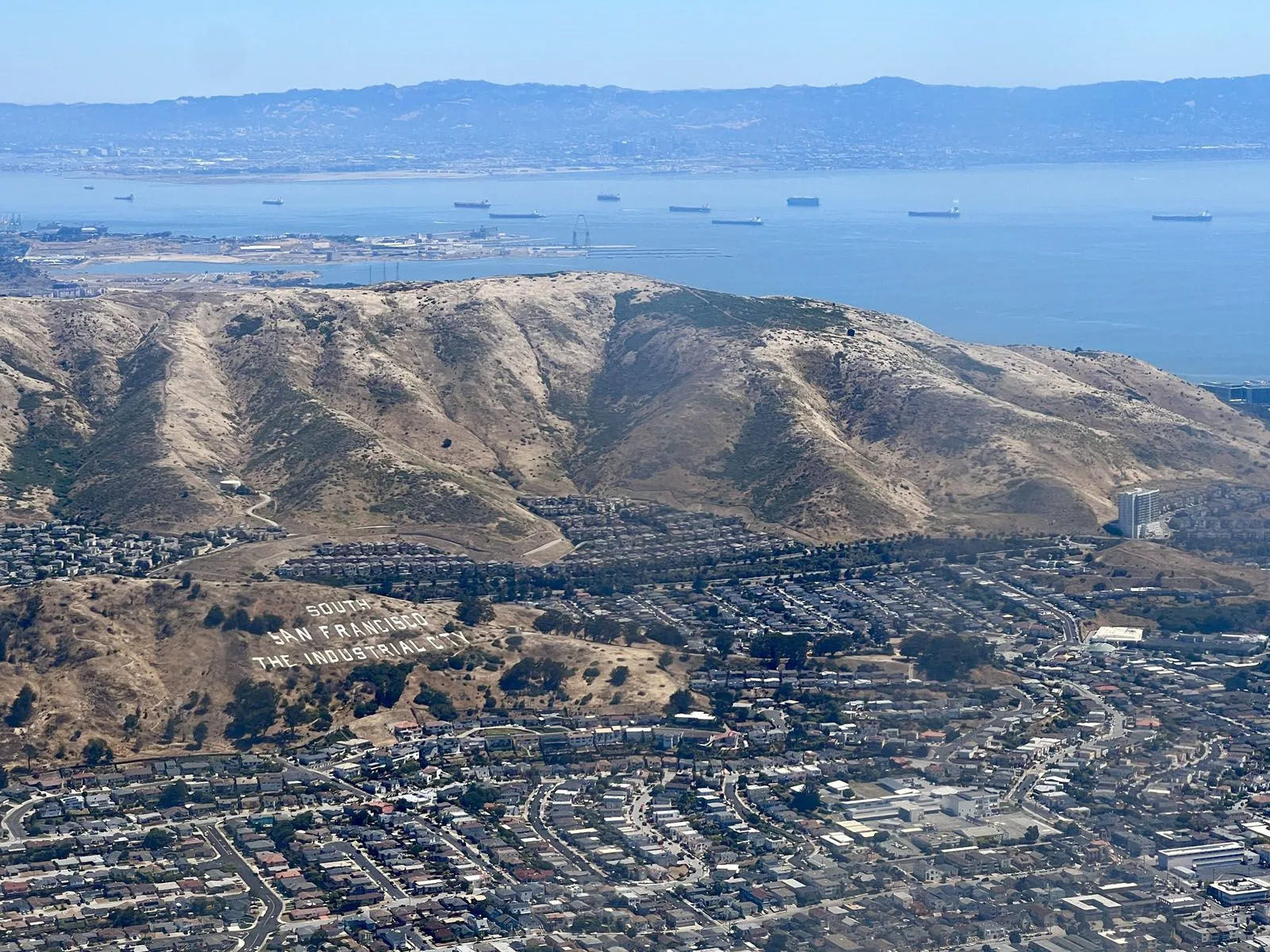
Commercial Roofing in South San Francisco, CA
CATEGORY
Service Areas
LOCATION
San Mateo, CA
A membrane termination beside rooftop process equipment deserves a deliberate tie-in plan. We identify the equipment interface, approved access route, and protected work area before setting a repair or replacement scope. South San Francisco has a biotechnology and business community, but a particular roof still requires a field walk and confirmation from its operations contact. The scope marks each penetration, drain, and work boundary so roofing activity can be sequenced with the responsible equipment trades. Other service-area routes cover commercial roofs in Brisbane and commercial buildings in Pacifica. On the receiving property, the field walk sets the equipment tie-in and protected work-zone boundary.
Field condition: coordinate equipment and access
Commercial roofs often carry exhaust, conduit, piping, and supports whose service cannot stop simply because a membrane needs repair. For an occupied property, coordinate temporary protection, loading, and work-zone releases with the owner before mobilization. We mark each penetration and ask the facility contact which equipment is active, who can authorize shutdowns, and how trades reach it. In South San Francisco, the city’s planning records identify areas such as Lindenville and Oyster Point, but the field visit is what reveals actual equipment density and roof access. A clear access path reduces repeated handling and helps the GC avoid scheduling roof work over a critical service window. Before tear-off, the scope assigns protection, temporary supports if needed, and responsibility for reconnecting equipment details. Roofers do not move operating equipment without approval. We coordinate flashing and curb transitions with the responsible trade so the finished membrane does not conceal an unfinished equipment scope.
Scope boundary: separate process risk from roof evidence
An interior report may describe a leak near production or office space, but location alone does not identify the failure. During a South San Francisco roof visit, capture South San Francisco roof inspection notes before pricing. The survey follows the water path across laps, field seams, penetrations, curbs, and drains. We photograph a defect, note whether the substrate feels firm, and distinguish observed damage from concealed conditions. South San Francisco supports biotechnology and other business activity; that fact makes coordination important, but it does not establish that a particular property has a cleanroom, lab, or special roof. The site contact defines sensitive spaces and access rules. If the crew must open the roof, temporary dry-in and interior protection are planned first. Then the GC can decide whether a narrow repair is adequate or a larger opening is needed to test moisture and attachment.
System detail: detail drainage before covering
Drains, overflow routes, and low points can turn a small membrane defect into recurring ponding or interior damage. Before a South San Francisco replacement bid, set South San Francisco replacement phasing with the owner and GC. We inspect bowl condition, surrounding flashing, slope transitions, scuppers, and any termination that could dam water. San Mateo’s adopted code summary lists a drain rainfall-design criterion for that city; South San Francisco’s governing design requirements need their own review. The practical field questions are still clear: is the outlet open, does water reach it, and can the roof assembly shed water without relying on a sealant bead as a dam? If a recover changes height, drain extensions and edge transitions need design attention before material is ordered. The scope records the detail and the responsible approval. That prevents a membrane replacement from hiding a drainage issue that remains after the crew leaves.
Sequencing: build a sequence for occupied operations
The daily work boundary is an operational control. On a South San Francisco membrane scope, evaluate TPO transitions for South San Francisco roofs against the existing assembly. We identify how much roof can be removed and dried in within the shift, where tools and rolls can be staged, and which areas need a no-entry buffer below. The facility lead and GC choose notice periods, alarm or security coordination, and the contact who can respond to a field change. A phased replacement can keep operations running, but only if tie-ins, weather protection, and access remain manageable as the work advances. If the deck or insulation differs from the visible surface, the crew secures the opening and documents the condition before requesting additional authorization. These pauses protect both schedule integrity and scope. A plan that names the dry-in point and approval chain is more useful than a broad promise that work will stay out of the way.
Maintenance: leave a record for the next project
Final documentation should show where the membrane was repaired or replaced, which penetrations and drains received new details, and where existing material remains. For a South San Francisco industrial property, coordinate South San Francisco warehouse work sequencing before staging. Photos and a concise roof map help the owner connect a future leak report to the work already completed. For facilities with changing equipment, the record also gives the next trade a starting point for protection and coordination. We note maintenance items without presenting them as a warranty claim or unsupported promise. A follow-up inspection can review newly installed details after equipment trades complete their work. The owner can then budget for remaining areas based on observed condition rather than a guess. Share the roof plan, operation restrictions, and known leak history, and we will prepare a field scope with a defined opening, dry-in method, and closeout standard.
The project team can make this record useful before the first roll of membrane reaches the roof. We list who controls site entry, who can approve an equipment interruption, and who receives a notice if the daily sequence moves. The crew identifies an inspection hold at each concealed tie-in and a second check before a large area is covered. These points let the GC manage quality without stopping the entire operation. If several phases are needed, each phase receives its own dry-in boundary and photo record. An owner reviewing invoices later can match the work location to the approved change rather than infer it from a material quantity. For a building with active business operations, that clarity improves both schedule conversations and future maintenance planning. It also prevents the roof file from suggesting that a full area was renewed when only its edge or penetration detail was addressed.
When process equipment sits below a roof penetration, agree on the responsible mechanical contact before flashing is disturbed. The roofing scope can identify the opening, support, membrane tie-in, and temporary closure; the equipment trade confirms shutdown and restart steps. Put that division in the schedule so the roof remains protected while each contractor completes its own portion.
Commercial Roofing Questions
Can roofers work around equipment that must remain active?
Yes, with the facility contact identifying operating equipment, clearance rules, and any approved shutdown window. The scope records who handles equipment and how roof openings are protected around active penetrations.
Does the city’s biotech community determine a building’s roof needs?
No. Citywide industry context does not establish the use, equipment, or membrane at one property. The site team provides operating constraints and the crew verifies the roof condition directly.
What happens if concealed moisture is found?
The crew stops at a safe boundary, keeps the opening protected, photographs the condition, and requests approval for the changed removal limit. The GC can then review the added scope and sequence.
Why inspect drains during membrane replacement?
A new surface will not correct a blocked outlet or poor drainage transition by itself. The inspection checks drain bowls, flashing, low points, and any required height changes before the new assembly is installed.
What information supports a later maintenance decision?
Keep the roof map, installation or repair photos, details changed, and outstanding observations together. That record helps future managers compare new symptoms with the completed scope and schedule the right inspection.
Set the field scope
Share the roof plan, access constraints, and known leak areas. We will review the field condition, define the repair or replacement boundary, and coordinate a workable sequence with the property contact and GC.