
Local weather advisory
Coastal Flood Advisory: Commercial Roof Help in San Mateo
The National Weather Service has issued a coastal flood advisory covering San Mateo. Heavy rain and drainage loading can expose roof leaks, blocked drains, and ponding water. This is a weather exposure advisory; it does not establish damage to a specific roof.
Do not access a roof during hazardous weather. Protect people first, avoid water near electrical equipment, and request roofing help when conditions permit.
National Weather Service · Updated Oct 28, 2026, 7:20 AM UTC
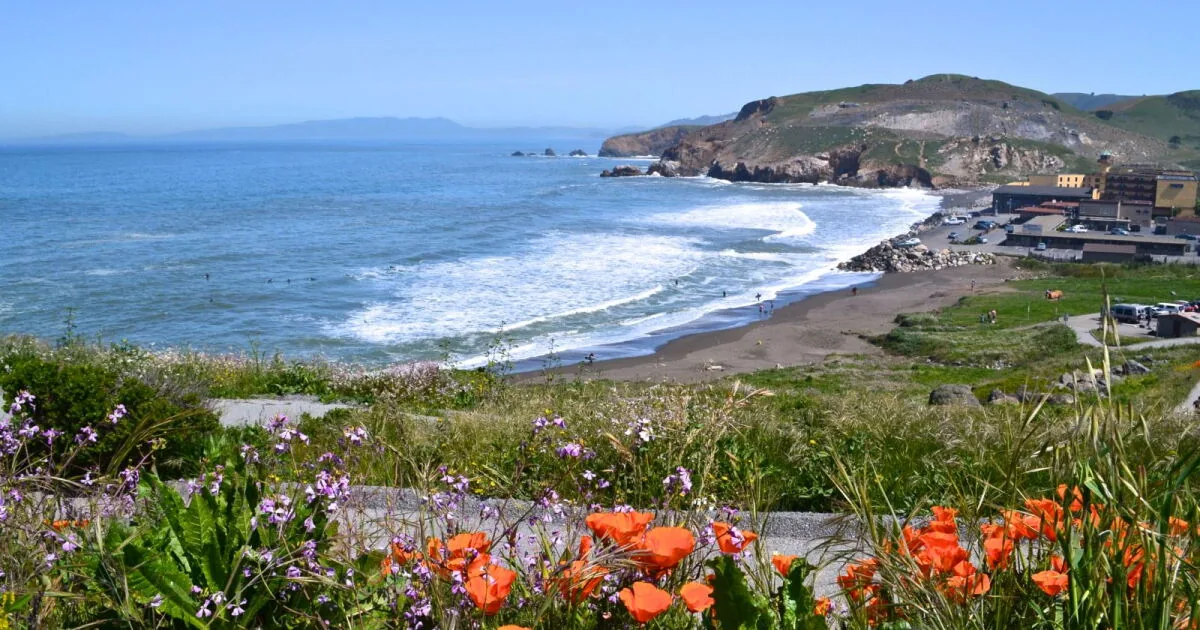
Commercial Roofing in Pacifica, CA
CATEGORY
Service Areas
LOCATION
San Mateo, CA
Coastal commercial roofs can expose terminations to wind and weather, but visibility alone does not establish failure or system type. In Pacifica, we inspect the edge, flashing transitions, drains, and reported leak path before defining the scope. Commercial areas occur at district centers and along Highway 1, so the receiving property's access and staging route must be confirmed separately. The field report identifies observed conditions, testing limits, and the next repair or renewal decision. Service coverage also includes commercial roofs in San Bruno and commercial roofs in Burlingame. Keep the Pacifica field record specific to the actual edge, drain, and access conditions observed.
Field condition: start with the exposed details
A perimeter can take more wind and weather stress than a protected section of field membrane, but the crew must verify the actual defect before specifying a repair. Pacifica identifies business districts at Sharp Park, Rockaway Beach, and Linda Mar; confirm the specific building approach and roof access before setting a crew sequence. We inspect edge metal, fasteners, terminations, curb flashings, and lap direction, looking for movement, separation, or evidence of water entry. Pacifica’s planning material places commercial areas in several districts and along Highway 1; it does not establish the exposure or roof type at an individual building. The field walk records the roof geometry and condition. If a termination has lifted, we check what substrate is available for attachment and whether adjacent membrane remains sound. A repair that only covers the visible gap may fail if the edge detail itself is loose. The scope should show the interface being rebuilt and the material transition that will finish it.
Scope boundary: read drainage with the coastline in mind
Rain can collect where slope changes, debris gathers, or an outlet is partly blocked. During a Pacifica roof visit, capture Pacifica membrane inspection findings before pricing. We inspect drain bowls, scuppers, overflow routes, and the membrane around each low point. The aim is to see whether water can move off the roof and whether a detail interrupts that path. San Mateo’s code summary lists a minimum drain rainfall criterion for that jurisdiction; Pacifica’s project should be reviewed under its own applicable requirements. We do not transfer one city’s code statement to another. Instead, we document observed drainage behavior and recommend design review if the assembly or outlet capacity is in question. A replacement can change roof height at drains and parapets, so those transitions need to be drawn and approved before the crew starts. Clear notes here prevent a cosmetic membrane fix from leaving the water path unresolved.
System detail: protect access and interior use
Pacifica properties can sit within different district settings, so a field crew should not assume one staging pattern fits all. Before a Pacifica replacement bid, set Pacifica replacement boundary planning with the owner and GC. We confirm where deliveries may stop, how workers reach the roof, which tenant entrances remain open, and where interior protection is needed. If work occurs near an occupied room, the manager identifies sensitive areas and a contact who can receive a notice if conditions shift. We set a daily limit for exposed membrane and choose a temporary dry-in before tear-off. That decision also gives the GC a clear handoff point if another trade needs the roof. If the opening reveals wet insulation or a damaged deck, the crew secures it and requests an approved scope change. The owner then knows what is discovered, what remains protected, and what decision is needed before the work proceeds.
Sequencing: compare a local repair with larger work
A localized repair preserves useful membrane when the defect is isolated and the surrounding surface supports a dependable bond. On a Pacifica membrane scope, evaluate TPO edge details for Pacifica roofs against the existing assembly. Recovery can be considered when the existing roof is dry enough, firmly attached, and compatible with new edge and drain heights. Replacement is appropriate when failure extends across the field or too many weak tie-ins remain. We describe each option with its assumptions and cost drivers: access, removal depth, wet insulation, deck work, perimeter metal, flashing, and occupied-site phasing. On a Pacifica roof, an exposure concern should lead to inspection of fastening and edge details, not a generic product claim. The GC can review the scope boundary and sequencing with the owner before pricing is finalized. This gives the project team a reasoned alternative set, with a clear path for any concealed condition that could change quantities.
Maintenance: record what the next crew needs
A coastal roof’s maintenance file should identify the edges, penetrations, and drainage details that received work. For a Pacifica industrial property, coordinate Pacifica warehouse access sequencing before staging. We provide closeout photos and notes showing repair locations, replaced materials where known, drain corrections, and any remaining conditions. The manager can use this baseline after another trade accesses the roof or after a storm prompts an inspection. Routine checks should include debris removal from outlets and observation of areas with new equipment, foot traffic, or exposed terminations. If the roof remains under phased work, the handoff should state which portions are finished and which are still protected temporarily. This is useful to a tenant, owner, or GC because it reduces ambiguity about who completed what. Send the roof plan, leak history, and access rules, and we will define a field scope and closeout standard that fits the property’s use.
The closeout map should distinguish new work from existing material that remains in place. That distinction matters if a later repair request appears near a completed boundary or if a new contractor adds rooftop equipment. We note the termination, show the adjacent assembly as existing where confirmed, and avoid implying that the whole roof was renewed when the scope covered only selected areas. A property manager can use the map to plan foot traffic and to ask future trades for protection before they cross the finished membrane. After the next period of heavy weather, a follow-up look can focus on repaired edges, new flashings, and drains instead of repeating the entire initial survey. This record also helps an owner budget a larger project in stages, because completed work and remaining questions are visible on the same roof plan. The result is a cleaner handoff among the owner, GC, facility staff, and next roofer.
Commercial Roofing Questions
Does coastal exposure mean the roof needs replacement?
No. Exposure informs what details to inspect, especially edges and penetrations, but the recommendation depends on observed membrane, attachment, substrate, and moisture conditions. A focused repair may remain viable.
Which Pacifica areas can a roofing crew serve?
The work can be planned for commercial properties across the city, including its identified business districts and commercial areas. The property-specific scope still depends on verified access and roof conditions.
Why inspect edges during a roof repair?
A lifted termination or loose edge metal can let water enter beyond the visible opening. Checking attachment, substrate, and adjacent membrane helps define a repair that restores the interface rather than covering a symptom.
Will a recover affect drains and parapets?
It can raise the roof surface, which changes height at drains, edges, and curbs. We review those transitions before selecting the assembly and identify any design or approval needed before installation.
What should be checked after roof work is complete?
Review the completed details, keep drain outlets clear, and coordinate inspections after rooftop trades or storm activity. Closeout photos and a roof map help the next manager compare any new observation with the repaired area.
Set the field scope
Share the roof plan, access constraints, and known leak areas. We will review the field condition, define the repair or replacement boundary, and coordinate a workable sequence with the property contact and GC.