
Local weather advisory
Coastal Flood Advisory: Commercial Roof Help in San Mateo
The National Weather Service has issued a coastal flood advisory covering San Mateo. Heavy rain and drainage loading can expose roof leaks, blocked drains, and ponding water. This is a weather exposure advisory; it does not establish damage to a specific roof.
Do not access a roof during hazardous weather. Protect people first, avoid water near electrical equipment, and request roofing help when conditions permit.
National Weather Service · Updated Oct 28, 2026, 7:20 AM UTC
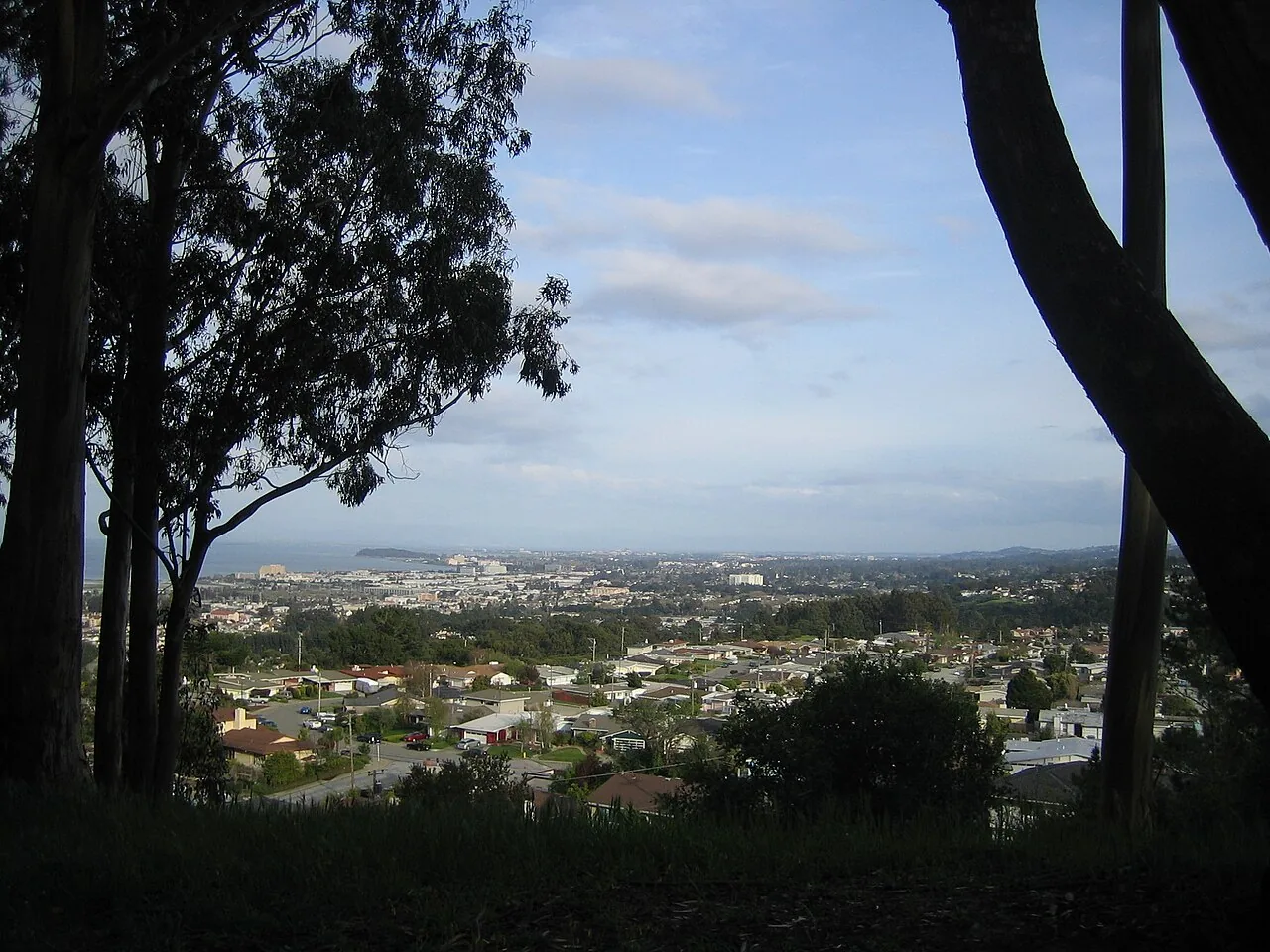
Commercial Roofing in Millbrae, CA
CATEGORY
Service Areas
LOCATION
San Mateo, CA
A roof replacement beside a Millbrae storefront starts with the tie-in, not the tear-off. We inspect the edge, roof layers, drains, and any occupied route below, then confirm where the crew can stage material. Millbrae identifies Broadway, El Camino Real, and Millbrae Avenue as business corridors; the receiving building still sets the access and work-hour conditions. We define the daily opening, dry-in line, and property handoff before comparing repair with renewal. Related local service routes include commercial roofs in Foster City and commercial buildings in San Bruno; the Millbrae scope remains attached to its inspected roof zones.
Field condition: corridor access and staging
Millbrae’s business corridors can place storefront entrances, office access, hotel service routes, and roof deliveries in close operating proximity. Where a Millbrae building remains open, confirm tenant routes, material staging, and protection responsibilities before mobilization. The city plan establishes land-use context, but each property’s access conditions still need a field walk. We confirm where a delivery vehicle can stop, how material reaches the roof, which doors need protection, and whether equipment noise must avoid a particular operating window. A GC can use that information to align the roofer with other trades and to set notices that tell occupants what will change each day. Staging too close to a public route can force repeated handling; staging too far away can consume labor and slow dry-in. The scope should name the chosen route and the person who can adjust it. That simple decision makes the roof sequence more reliable than a generic mobilization date.
Scope boundary: trace the defect before pricing
A leak report is a starting point, not a repair map. During a Millbrae roof visit, capture Millbrae membrane and drain inspection before pricing. Water can travel along insulation joints or framing before it appears inside, so we inspect the membrane, seams, penetrations, curbs, edges, and drain bowls near the reported area. In Millbrae, the plan’s mix of office, retail, hotel, and residential uses means interior consequences may vary, but it does not tell us what any individual roof contains. The field survey establishes that. We photograph the suspected entry and the route water could take, then note whether the surrounding membrane is flexible, bonded, and dry enough for a repair. If an opening is necessary, the crew protects the building and records the substrate and insulation before covering them again. A clear diagnosis keeps the estimate tied to observable conditions instead of assumptions.
System detail: drainage and flashing details
A new field sheet cannot compensate for a drain bowl that remains obstructed or a curb flashing that ends at a loose termination. Before a Millbrae replacement bid, set Millbrae replacement and tie-in planning with the owner and GC. We inspect low points, drainage routes, overflow paths, and changes in roof height where water can meet a weak detail. The San Mateo market code summary lists a minimum rainfall design basis for drains, but that jurisdiction-specific value should not be transferred to Millbrae. The project team should confirm the governing local requirements and existing design conditions for the property. Our roof work focuses on what can be confirmed: clear outlets, stable flashing, compatible repairs, and a tie-in that sheds water rather than trapping it. When the assembly changes, edge height and drain connections can also change. Those details belong in the scope and submittal review before the crew removes material.
Sequencing: select a system against field conditions
The system choice follows the existing roof and the project’s limits. On a Millbrae membrane scope, evaluate TPO membrane details in Millbrae against the existing assembly. A repair can preserve sound material if the defect is isolated and the substrate supports a durable patch. A recover may reduce tear-off, provided moisture, attachment, drainage, and perimeter height are acceptable. Replacement is more defensible when failures recur across the field or the existing assembly cannot support a reliable tie-in. We compare options by removal extent, insulation work, curb and edge transitions, access, odor or noise controls, and the hours available for exposed work. For a Millbrae hotel or mixed-use property, sequencing can matter as much as product selection because indoor operations continue while the roof changes. We can detail membrane options such as TPO after reviewing compatibility, drainage, and attachment needs rather than choosing from a brochure alone.
Maintenance: plan the handoff and future checks
Before the first sheet is removed, the GC should know where the roofer stops and what condition releases the next trade. For a Millbrae industrial property, coordinate Millbrae warehouse access coordination before staging. We identify the daily dry-in boundary, inspection points, protection responsibilities, and approval path for concealed changes. At completion, photos and notes record repaired areas, new terminations, drain work, and remaining maintenance needs. The owner can use that record to schedule follow-up checks and to give future crews a reliable reference. A post-work visit can inspect seams and penetrations after rooftop trades have finished, when their equipment and supports are in final position. For corridors with many kinds of commercial occupancy, a concise record avoids forcing the property manager to reconstruct decisions from scattered emails. Send plans, roof access rules, and known leak areas, and we will define a scope and sequence that a GC can actually coordinate.
Corridor planning also has a handoff value. A roof detail may sit above a tenant boundary, shared service path, or equipment zone, so the GC needs a record of who controls access and who can approve interruptions. We identify those contacts at the preconstruction walk and put the call sequence in the work plan. If the crew finds a soft substrate, it documents the location before removal continues. The owner can then compare the newly exposed condition with the estimate and decide whether to proceed, revise the quantity, or separate additional work. This is particularly useful when several building uses share one roof footprint, because an interior protection choice can affect more than one occupant. A short daily update that names the closed area, dry-in status, and next inspection point gives the property manager an actionable handoff rather than a broad progress statement.
Commercial Roofing Questions
Can the roof work happen while a hotel or office stays open?
Often it can, with a sequence that protects entrances, limits exposed roof area, and coordinates noise, deliveries, and tenant notices. The inspection identifies where phasing is practical and what access restrictions need to be resolved first.
Does a plan area tell you what roof system a building has?
No. A city plan describes land use and circulation, not a particular building’s membrane, insulation, or roof condition. We verify the assembly in the field and base the scope on visible and documented conditions.
When is recovery preferable to replacement?
Recovery is considered only after moisture, attachment, drainage, and height at perimeters and penetrations are checked. If the existing roof cannot support a reliable tie-in or contains widespread wet material, removal may be the sounder scope.
What information helps price a commercial roof repair?
Useful items include leak history, access rules, available plans, roof photos, and any known prior repairs. We inspect the reported area and adjacent details, then separate confirmed work from conditions that require approval after opening.
How are future rooftop trades coordinated?
The closeout record identifies completed details and any remaining limits. Before another contractor adds equipment or supports, the owner can use that record to coordinate penetrations, protection, and a roof inspection after the trade finishes.
Set the field scope
Share the roof plan, access constraints, and known leak areas. We will review the field condition, define the repair or replacement boundary, and coordinate a workable sequence with the property contact and GC.